

Introduction:
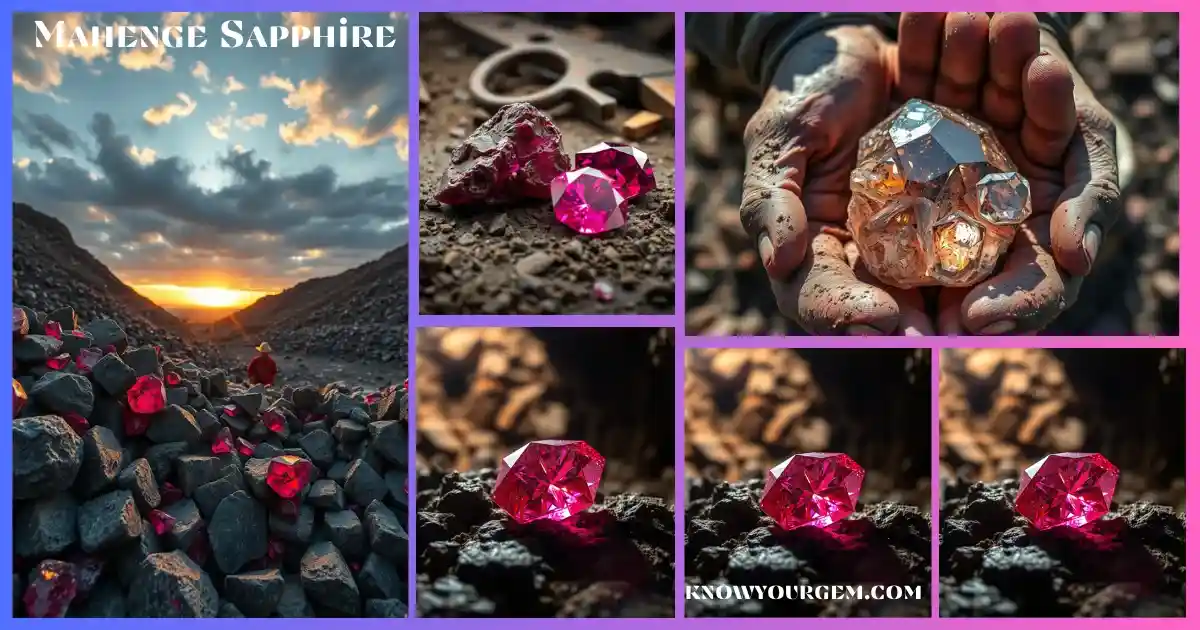
Mahenge Spinel is recognized as an extraordinary gemstone which is discovered in 21st century. Although, the gem is only found in Mahenge region of Tanzania, this rare stone is fascinated for collectors and jewelry enthusiasts with its vivid neon pink to deep red colors that seem to glow from within. This is not like other gems that require heat treatment or artificial enhancement, Mahenge spinel is naturally brilliant and fluorescent, shining in its pure, untreated form.
Since its discovery in the early 2000s demand for this gem has risen sharply in the global jewelry market. Therefore its intense color, often rivals or even surpassing the the finest rubies, which make it truly exceptional. As mining slows and deposits become increasingly scare, prices have continued to climb, turning Mahenge spinel into both dazzling jewel and a valuable investment.
Whether you are considering it for your engagement ring, exploring its investment potential, or simply curious to know about its origin, value, pricing, compare it with other pink gemstones, share tips on proper care, and enthusiasts as well regard this Tanzanian treasure as one of the most important gemstone discoveries of modern times.
What is Mahenge Spinel?
Mahenge Spinel is a type of spinel gemstone which is formed deep within the other and it also makes from magnesium, aluminum, and oxygen, its chemical fromula is MgAl₂O₄. Although, it forms in the cubic crystal system, often appearing as octahedral crystal which sparkle with clarity and brilliance. Thus, Spinel can be found in many colors across the world, but the name Mahenge refers specifically to stones from Tanzania’s Mahenge region which is famous for its vivid, neon like glow and striking coloration.
The gem forms deep within the Earth under specific geological conditions. Although Metamorphic rocks rich in magnesium, aluminum, and oxygen, is combined with trace amounts of chromium is especially important that its Mahenge spinel its signature pink to red colors and the remarkable fluorescene that makes the stone look as if it is lit form within.
It is different from various varieties because its extraordinary saturation almost electric vibrancy make it different from spinel. Whether spinels elsewhere are admired for their beauty, Mahenge specimens display an intensity that feels alive under both natural daylight and artificial light. Therefore this rare effects is the unique mix of trace elements and geological conditions found only in this region, which make these stones impossible to replicate elsewhere.
One common misunderstanding is merging up natural spinel with synthetic spinel. Although, lab grown versions have been around since the early 1900s, it was often used as substitutes for diamonds or rubies, but natural spinel is especially from Mahenge is completely vary.Thus, these gems are the product of millions of years of natural processes, not human intervention. Their untreated state adds to their rarity and value, unlike rubies and sapphires that are often heat treated to enhance color.
The origin of Mahenge Spinel Tanzania’s hidden Treasure:
Mahenge spinels basically come from Ulanga district of Tanzania, it is about 200 kilometers far from southwest of Dar es Salam. Although, the region’s rugged terrain and remote location make its mining challenging which adds to the rarity of the gem. Its landscape is rich in ancient metamorphic rocks, creating the perfect conditions for spinel to form.
Unique geological conditions:
The neon glow of Mahenge spinel comes from a rare mix of factors. Although Marble rocks in the region and underwent intense metamorphic changes, whether chromium in just the right amounts give rise to the vivid pink to red hues and strong florescence. It is not like other deposits where heat treatment might be used to enhance color. Mahenge spinels emerge naturally in their finest state, which already display their electric tones.
Discovery and market impact:
Mahenge spinel was first discovered in the early 2000s which was completely changed how people saw spinel. Before then spinel was appreciated but not valued like ruby, sapphire, or sparkle, amazed experts and collectors, quickly gaining fame at international gem shows.
Artisanal mining practices:
Mining in Mahenge is mostly artisanal because small scale miners use hand tools and physical labor to the extract the crystals, it is not like large commercial operations. Although, this method, is combined with the deposit’s natural limitations, means production has always been modest compared to the major ruby sapphire sources.
Declining Production:
Over time, the richest and most accessible have been depleted. Miners now face deeper digs and less promising areas, leading to fewer new finds and lower overall quality. The shrinking supply with demand is now rising, prices are steadily increasing, which make Mahenge spinels both jewel of beauty and a valuable investment.
Ethical Sourcing:
Mahenge spinel is basically mined by small local miners, so working conditions can can be different. Ethical sourcing matters because buyers want miners to be treated fairly. Although, reliable dealers usually work directly with miners or trusted channels to ensure fair pay and safer practices. While buyers should always ask about supply chain transparency before purchasing these rare gems.
Color characteristics of mahenge Spinel:
Mahenge spinel is instantly recognized for its neon pink, hot pink, and raspberry tones. The stone is different from stones like softer pastel pink or any others which carry brownish undertones, the finest specimens show an intense, pure pink to pink red almost unreal. The word neon perfectly describes an electric glow that seems to shine from inside rather than just reflecting light off its surface.
The role of chromium:
Chromium is the key element behind Mahenge spinel’s color and glow. Although, it creates the vivid pink to red shades which make the stone fluoresce strongly under ultraviolet (UV) light. Because sunlight contains UV rays, chromium causes the gem to appear even brighter in the daylight, which gives it a famous “lit from within” look.
How lighting changes the Look:
- Daylight: Shows the full neon intensity, boosted by natural UV.
- Incandescent indoor light: Still brilliant, but slightly less electric.
- Fluorescent light: Regains much of its outdoor vibrancy thanks to UV content.
This adaptability means Mahenge spinel looks stunning in almost any environment, a trait not all colored gems share.
Saturation, tone, and hue:
- Saturation: How and its vivid color.
- Tone: How light or dark the stone appears.
- Hue: The basic color (pink, red, purplish pink, etc.).
The most valuable stones with having high saturation like pure, vivid, color, medium to medium dark tone (not too pale or too dark), and primary color of pink to slightly purplish pink or red Stones that are too light lose impact, while overly dark ones lose their neon glow.
Why mahenge spinel glows:
Its glow comes from a perfect mixture of factors like, chromium induced fluorescence, high clarity that lets light pass through easily, excellent crystal structure that enhances brilliance, and optimal color saturation all these have made the gem Mangege spinel.
The most valuable colors:
The top specimens fall in the vivid pink to pinkish red range. Although, gemologists often describe them as hot pink or bubblegum pink with strong fluorescence. Pure red Mahenge spinels without orange or purple tones are especially prized, as rare stones show neon effect. Although, larger gems more than 2 carats in these colors are extremely rare and command premium prices among collectors.
Mahenge spinel vs ruby a detailed comparison:
There are various differences between Manhenge spinel vs ruby you can explore:
Color and brilliance:
Ruby is actually known for its deep, rich red tones, often with purple orange undertones. Whether Mahenge Spinel shows an electric pink to pinkish-red shades that look brighter and more fluorescent. Both are stunning, but they create vary visual experiences, ruby offers a classic, traditional red, while Spinel delivers a modern, neon glow many collectors find striking.
Hardness and durability:
Both gems are much durable and suitable for everyday wear. Although, ruby a variety of corundum, ranks 9 on the mohs scale of hardness whether spinel slightly lower at 8. This small difference doesn’t matter much in practice both stones resist scratches and keep their polish beautifully over time.
Treatments:
Most Rubies on the market (around 95% or more) are heat treated to improve color and clarity. Although, this standard practice and usually expected. Whether Mahenge spinels are different because they are almost always untreated, naturally show their vivid neon colors straight from the earth. So, these untreated qualities add to their rarity and appeal for collectors who value natural gems.
Price Comparison:
Top Burmese rubies can reach $50,000 to $10,000 plus per carat for unheated stones, which them some of the most expensive gems in the world. While Mahenge Spinels more affordable, have closed the gap in recent years. The top quality Mahenge spinels can sell for $10,000 to $30,000 or more cost than per carat. Because they are untreated and rare, they often cost as much as, or even more than, treated rubies.
Collector and investor appeal:
Rubies remain one of the “big three” precious stones, but Mahenge spinels have craved out their own reputation. Although collectors admire their natural beauty, extreme rarity, and neon glow. Some even prefer them over rubies, appreciating their modern look and the fact that they are truly rare and untreated.
Why Spinel is seen as a Ruby Alternative:
Mahenge Spinels offer intense pink to red colors without the need for heat treatment. They have an excellent durability, often better clarity than rubies, and neon quality rubies can’t match. Plus, they are more affordable than the very top rubies, which make them an attractive choice for collectors who want something extraordinary without ruby’s highest prices.
Rarity and value of mahenge Spinel:
Mahenge spinels are rare for several reasons. First, they come from only one main deposit in Tanzania, not like rubies or sapphires that are found in many countries,. Second, even within this small area, most of the rich deposits have already been mined. Third, only small portion of the stones are found having right color, clarity, and seize for fine jewelry. Together, these factors make Mahenge spinel one of the scarcest colored gemstones in the world.
Mining and supply:
In the early years after discovery, plenty of stones were found. Today, most of those deposits are exhausted. Although, current mining produces fewer stones, which are often smaller and less consistent tin quality. Newly found are rare, and there is no sign of large untapped reserves. With supply shrinking and demand growing, prices continue to rise.
Price factors:
- Color: Stones with having vivid neon pink and strong fluorescence are the most valuable. Gems with weaker color or brownish tones cost less.
- Carat Size: Largest stones are much rarer. Although, one carat stones are common, but two carat stones are often sold at auctions.
- Clarity: Eye clean stone with having no visible inclusions are worth more. Whether minor inclusions are acceptable and don’t reduce value much but they prove the stone is natural.
- Cut: A well cut stones that show off maximum brilliance and color is more valuable than a poorly cut one. Precision faceting adds to both beauty and price.
Market demand:
Awareness of Mahenge spinels have grown quickly. Although, jewelry designers use Mahenge Spinels in luxury pieces celebrities show them off, and collectors treat them as investments.With demand increasing and supply shrinking, prices are set to keep rising.
Auctions and luxury Jewelry:
Main auction houses now feature Mahenge spinels , often selling them for more than expected. Luxury brands treat them like precious gems, setting them in a platinum and pairing them with diamonds. This recognition confirms their place among serious investment gemstones.
Mahenge spinel price guide:
| Carat Size | Quality Level | Price Range (per carat) |
| Under 1 carat | Commercial quality | $500 – $2,000 |
| 1–2 carats | Fine quality | $3,000 – $8,000 |
| 2–3 carats | Exceptional quality | $8,000 – $15,000 |
| Over 3 carats | Top quality | $15,000 – $30,000+ |
Note: Color and fluorescence are making the biggest differences. For example, a stone with weak color can be sold out for $10,00 per carat, whether the same size stone with vivid neon color can reach $10,000 per carat.
Comparison with other Pink Gemstones:
| Gemstone | Price Range (per carat) |
| Pink sapphires | $2,000 – $15,000+ |
| Pink tourmalines | $100 – $1,000 |
| Morganite | $50 – $500 |
| Pink diamonds | Five to six figure prices |
Summary: Mahenge spinels sit in the premium category more valuable than tourmaline or morganite, comparable to fine pink sapphires, and far below pink diamonds.
Wholesale vs Retail:
Wholesale prices are naturally 30-50 % lower than retail, but only available to dealers. Retail buyers pay more but benefits from warranties, return policies, and professional settings. For most consumers, retail is the safer option.
Why Prices Keep Rising:
It is simple economics; supply is shirking while demand is growing. With deposits nearly depleted and no new major finds, Mahenge spinel has become even more durable. Its rarity and natural beauty ensure that prices will continue to appreciate over time.
Mahenge Spinel Jewelry uses:
Mahenge spinels are popular in fine jewelry because of having shine bright neon color and rarity.
Engagement Rings:
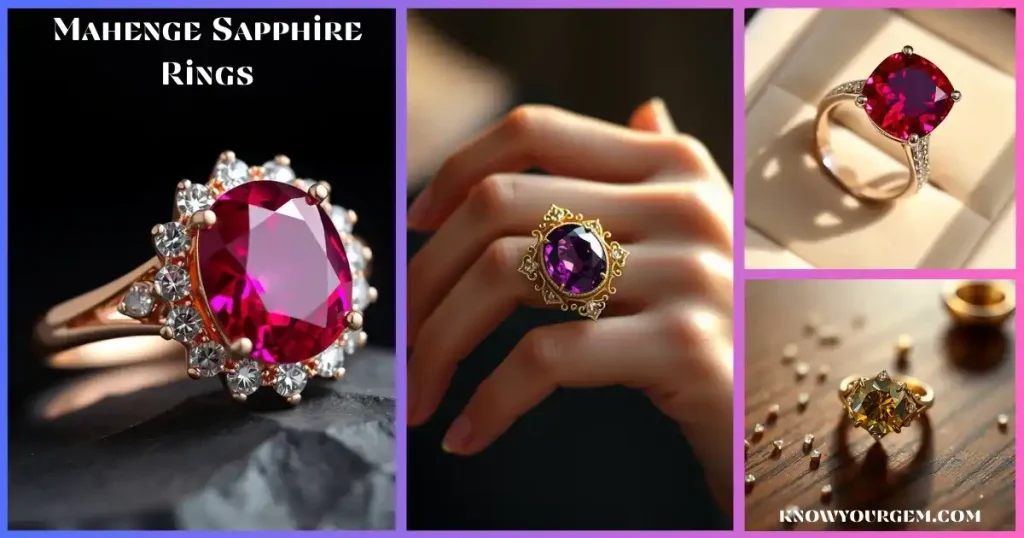
These gems are increasingly popular in engagement rings because of their link to love and passion, combined with strength and unique beauty, makes them striking alternative to diamonds. Pink Mahenge spinels offer a romantic glow while being tough enough for everyday wear. Couples also value the rarity, knowing their rings hold truly unique stones.
Other Jewelry styles:
- Rings: Stunning centerpieces, especially in 1to 3 carat sizes where the neon effect shines.
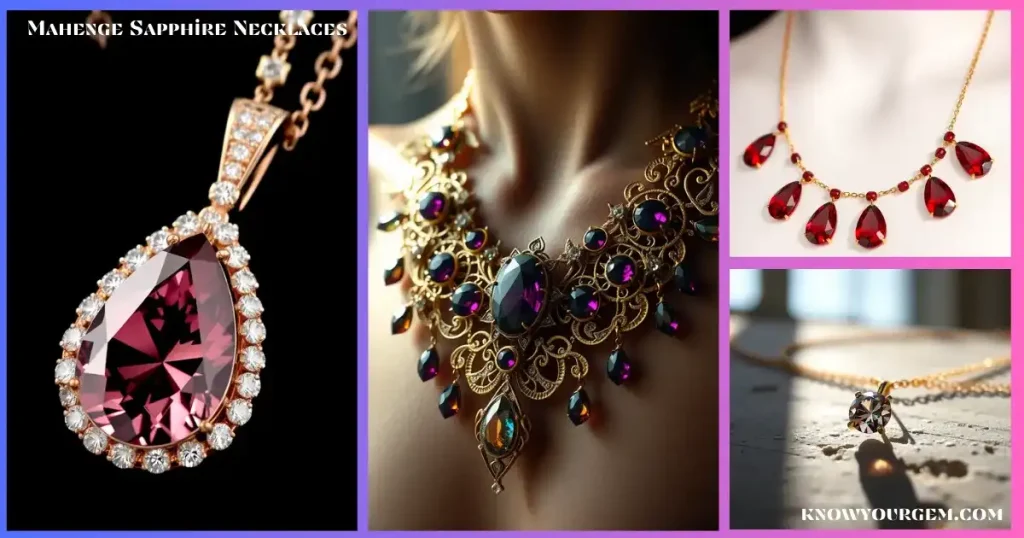
- Pendants: Catch light beautifully, shows off their fluorescence.
- Earrings: Eye catching as studs or drops, adding color without being overwhelming.
- Bracelets: Paired with diamonds, they create luxurious pieces perfect for special occasions.
Best metal pairings:
- Platinum: Strong, prestigious, and enhances the pink color with a neutral backdrop.
- White Gold: The pair look similar to the platinum at the lower cost, because it needs rhodium plating over time
- Rose Gold: This pair is romantic and modern, harmonizing beautifully with the gem’s pink tones.
Custom vs Ready made:
- Custom jewelry: Lets you choose the exact stone, design, and setting for a personal touch.
- Ready made jewelry: Offers convenience you see the finished piece before buying and get faster delivery.
Daily wear suitability:
Mahenge Spinels are durable enough for everyday use. With proper care and secure settings, rings and other pieces can last for decades as with all fine jewelry, it is best to remove them during heavy activities to preserve their beauty.
Durability, hardness, and everyday wear:
Mahenge spinels are tough enough for daily wear jewelry. They rank 8 on the mohs scale where diamonds stand at the peak 10 are harder among common gemstones.
Scratch and chip resistance:
Spinels keep active their polish and shine for years because they don’t scratch easily. However, strong impacts at the certain angles can cause chips, so protective settings are important.
Comparison with other Gems:
Spinels are nearly durable as like sapphires and rubies, which are far stronger than softer stones like emeralds or Tanzanites, that need more gentle care.
Best settings:
- Bezel settings: Metal surrounds the stone, giving maximum protection.
- Halo settings: Diamonds around the stone add sparkle and extra safety.
- Prong settings: Work well if prongs are sturdy and positioned to guard the edges.
Everyday wear:
- Ideal for: Office workers, teachers, and anyone with light daily tasks.
- Caution for: People who busy with jobs like, construction, mechanics they want to wear spinels as jewelry only on special occasions or use protective settings.
Tip: Remove rings during activities that could damage the stone to keep it looking beautiful for decades.

How to identify a genuine Mahenge Spinel:
Given below most common tips to identify genuine spinels:
Natural vs Synthetic:
Synthytic spinels have been made since the early 1900s using methods like flame fusion. Whether they can look attractive, they don’t have the rarity, value, or investment appeal of natural Mahenge spinels. There are also glass imitations and other look alikes that lack the real stones own physical qualities.
Visual Clues:
Natural spinels can show inclusions like crystals, healed fractions, or growth patterns. However, these clues are not enough to confirm authenticity because synthetic stones can also have inclusions,a n d some natural stones are very clean. Even the famous neon fluorescece of Mahenge spinels can be copied in the synthetic materials, so visual inspection alone is unreliable.
Certification matters:
The safest way to confirm authenticity is through gemological certification. Although, a certificate from a trusted lad verifies the stone’s identity, natural origin, color, and whether it has been treated. This can protect buyers from fraud, supports insurance and resale value, and provides peace f mind.
Trusted Laboratories:
- GIA (Gemological Institute of America): A most recognized lab worldwide, offers detailed reports.
- AGL (American Gemological Laboratories): Is Specialized in colored stones, highly valued by collectors.
- IGI (International Gemological Institute): Well known in Europe, also widely accepted.
Reports from these labs are respected globally and add credibility to any gemstone.
Why certification is essential:
For investment grade stones worth thousands of dollars, certification ensures you are getting what you you paid for. It also serves as permanent documentation for insurance, estate planning, or resale. Serious collectors and investors should always insist on certification from a recognized lab.
Treatments and enhancements:
Why mahenge Spinel is untreated:
Mahenge Sinels naturally form with vivid color and clarity, so they don’t need enhancement. They are not like rubies or sapphires that often improve with heat treatment, heating spinels could actually harm their color or reduce their famous fluorescence.
Disclosure standards:
In the gemstone trade, sellers must disclose any treatments. For Mahenge spinels, reputable dealers highlight their untreated status because they add value. Buyers should always get written proof, and reports confirm whether stones have been treated.
Impact on value:
Untreated stones are worth more because most colored gems are treated, natural spinels stand out and command premiums. Collectors especially prize them as “true” gems show nature’s work without human alternation.
Buyer red flags:
Avoid sellers who:
- Don’t provide treatment disclosure
- Offer prices far below market value (likely fraud)
- Refuse certificates or return option.
- Use pressure tactics like “limited time only”
Trusted dealers will you answers to your question accurately, they will provide documentation, and allow returns for independent verification.
Caring for mahenge Spinel Jewelry:
- Use warm soap water, and soft brush, dry with a clean soft piece of cloth.
- Don’t use bleach, acetone, harsh chemicals, and residues from perfume or hairspray.
- Keep store your jewelry separately in soft pouches or boxes and avoid heat and sunlight.
- Must check your jewelry with jewelers yearly basis to clarify its sparkle is still retaining.
Is mahenge spinel a good investment?
- Rarity & Beauty: It is found only in one region of Tanzania, with depleted deposits and vivid neon color.
- Durability: It ranks 8 on the mohs scale of hardness which makes it strong enough for long term jewelry use.
- Market Demand: Its Rising popularity among collectors, designers, and investors enhnaces its value.
Price growth:
- Mid 2000s, $1,000–$3,000 per carat.
- According to today’s structure its price is $5,000–$15,000+ per carat.
- Appreciation has outpaced many traditional investments.
Comparison:
- Its growth is more faster than ruby and sapphire and emerald (except the rarest top tier examples).
- Entry prices are lower, making them more accessible to investors.
Risks:
- Less liquid than stocks or bonds.
- Value depends on quality and buyer demand.
- Returns not guaranteed, though new deposits are unlikely.
Mahenge Spinel meaning and symbolism:
- Traditional meanings: Traditionally Spinels are symbolized with vitality, renewal, and protection. Although, Red pink gems are often linked to the passion and life force.
- Romantic symbolism: The vivid pink to red glow of spinel suggests love energy, and desire. Modern couples choose Mahenge spinels for engagement rings, because people know these stones are rare can’t easily be found.
- Metaphysical associations (not scientifically proven): Pink stones are connected to the heart chakra, healing, and positive energy flow.
- Modern vs traditional: brithstones and talismans are traditionally tied, while Spinels are modern and natural beauty.
- Engagement ring appeal: Engagement ring is durable, untreated, and rare, and its stone spinel offers a romantic alternative to diamond, with a distinctive neon color that makes every piece stand out.
Mahenge Spinel vs other Pink Gemstones:
| Gemstone | Hardness | Price (per carat) | Color Characteristics | Treatment / Rarity |
| Mahenge Spinel | 8 | $3,000 – $30,000plus | Neon pink to pinkish red, strong fluorescence | Untreated, single source, very rare |
| Pink Sapphire | 9 | $2,000 – $15,00plus (unheated); lower for treated | Pink hues, sometimes vivid but less fluorescent | Often heat treated; unheated stones rare |
| Pink Tourmaline | 7 -7.5 | $200 -$800 | Alternative to pinks,but rarely neon intensity | More common, affordable, softer |
| Morganite | 7.5 -8 | $100 -$300 | Its color is pastel pink with peach undertones | It is affordable, larger sizes available |
| Pink Diamond | 10 | $50,000 -$200,000plus | An exceptional saturation, prestige it has | Ultra rare, luxury category |
Key Takeaways:
- Price: Pink diamonds dominate the ultra luxury market. Spinel and unheated sapphire sit in the premium tier while Tourmaline and morganite are far more affordable.
- Rarity: Mahenge spinels are the rarest gemstones, can technically beat unheated sapphire and pink diamond.
- Color Intensity: Spinel’s neon fluorescence is unique.
Why Mahenge Spinel stands out:
Mahenge spinels combine rarity, durability, untreated natural beauty and neon intensity at prices far below pink diamonds but still premium as compared to tourmaline or Morganite. They offer distinctive niche rare, vibrant, and unmistakably unique for collectors and jewelry lovers.
Expert Summary:
Mahenge spinels are the most important gemstones ever found in the earth. They combine rarity, beauty, durability, and investment potential in one dazzling package. Although, these neon pink red gems are untreated, stable, and perfect for both collectors and daily wear. With having the hardness of 8, they shine in engagement rings and fine jewelry while staying practical. They are more rare because they come from a single, depleted source in Tanzania, supply is shrinking quick. Prices are rising steadily since discovery and are expected to keep climbing.
Gem alert:
Mahenge spinels are rare, radiant and rising in value. With the shrinking supply fast, now the is to secure one of these Tanzanian treasures.
FAQS:
1. What is Mahenge spinel?
Manenge spinels are neon pink to vivid red gems majorly found in Tanzania’s Manhenge mines, which are famous for intense color and fluorescence.
2. Have you seen examples of these blues?
Neon blue (cobaltian) spinel from Burma or Vietnem is the rarest because of specific trace elements.
3. What’s your budget for spinel?
Spinels can be sold from $100-$35,000 per carat, premium Mahenge pieces can hit the top prices for size and saturation.
4. What makes Mahenge spinels so special?
Spinels glow with a vivid neon like pink or red color naturally, without treatments, they are only found in one Tanzania deposit, they are rare, durable and highly prized.
5. Is Mahenge spinel rarer than ruby?
Spinels come from one small region, whether rubies are mined world widely. Although top rubies can be more valuable, but spinels offer similar beauty at the lower prices.
6. Does Mahenge spinel fade over time?
No, the color is permanent and doesn’t fade with the light, heat, or age, With normal care, they stay bright and vivid for decades.
7. Is Mahenge spinel good for engagement rings?
Yes, they are hard enough for daily wear and symbolized with love because of having pink red hues. Their rarity and untreated nature make them unique and meaningful choices.
8. How much does Mahenge spinel cost per carat?
Prices of $500 for smaller stones to $30,000 plus for top quality large gems. Their value depends on size, color intensity, and certification.
9. Is Mahenge spinel always untreated?
Almost always, because heating can reduce their famous glow. Still, certification from labs like GIA, or AGL is more recommended.

Welcome to KnowYourGem.com! your ultimate destination for uncovering the fascinating world of gems and their secrets! I'm Kamil Hussain, a passionate blogger with a Master’s degree in Economics, dedicated to bringing you insightful, well researched content that blends the beauty of gemstones with the art of storytelling. With a keen analytical mind and a love for discovering hidden treasures, I created this platform to help you explore the brilliance, history, and value of every gem.

