

QuickAnswer:
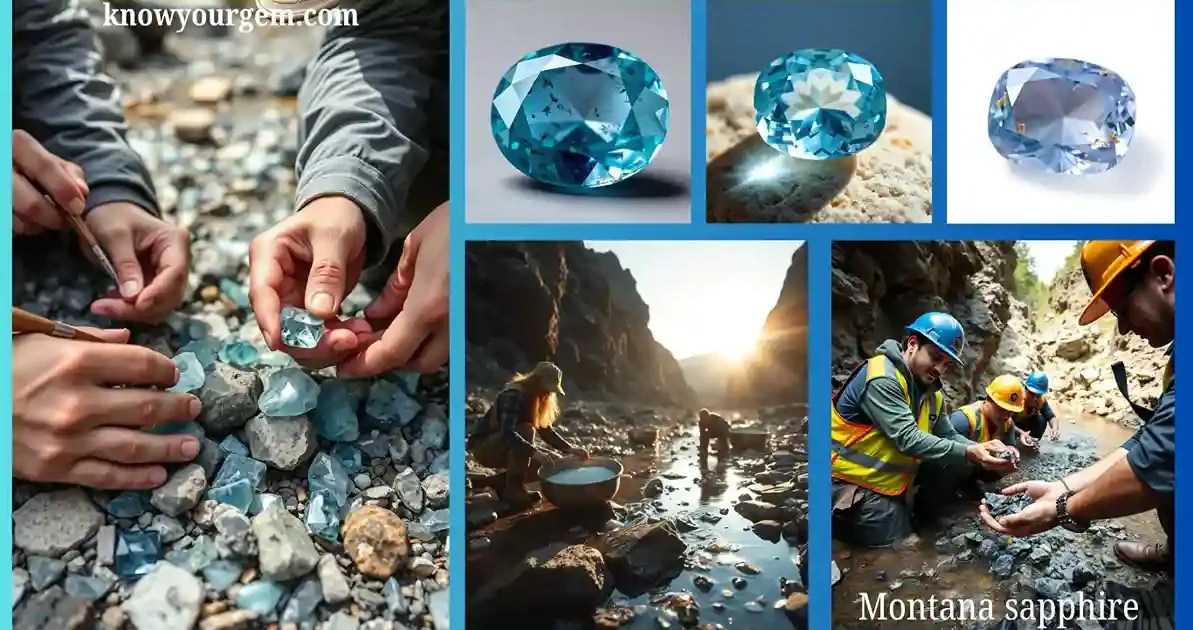
Montana Sapphire is preeminently belongs to Corundum family, the stone is initially mined in Montana, USA, The sate Montana is recognized for its distinctive pastel blue, teal, and blue -green color spectrum.
Not similar as global sapphires, Montana stones endow complete traceability, ethical mining practices, and unique color characteristics formed by a specific trace infinitesimal element ratios.
Therefore these gemstones are available in various varieties from unheated specimens to heat treated stones, with Yogo sapphires command premium prices due to their uniform cornflower blue color.
What Is A Montana Sapphire?
Montana blue sapphire carries the wild spirit of the American West, shimmering the rare pastel hues. Their infinitesimal origin and natural quirks make each stone a timeless story of authenticity.
A Sapphire Unlike Any Other:
Montana sapphire stone personifies a category of Corundum that is fundamentally different from specimens that are sourced globally. The U.S, origin provides and unparalleled traceability advantage, every stone’s journey from earth to the setting can be documented with the precision that diamond imported gems can’t match.
The natural pastel, teal, and blue-green color spectrum defines these stone in ways that challenge a traditional sapphire expectations. Where buyers are accustomed to deep royal blue from Sri Lanka or vivid cornflower tones from Kashmir might initially question the softer palette, those familiar with Montana material recognize this subtlety as geological authenticity rather than compromise.
The Specific ingenious environments that are created these gems within the time period of millions of years believed to produce trace element combinations, particularly iron and titanium ratios with minimal chromium that simply can’t be replicated in other deposits worldwide that make mt sapphire genuinely distinctive extends beyond aesthetics into chemistry and formation.
Real-World Handling Insights:
Working directly with the rough Montana sapphires disclose characteristics that are believed to polish retail stones often obscure. Color zoning visibility becomes immediately apparent when it is examined as uncut material, bands with different saturation that cutters must strategically navigate.
Cutting challenges unique to Montana material stem from this zoning phenomenon. Since, a skilled lapidary doesn’t fight against these natural patterns but works with them, sometimes preserving intentional color variations that collectors describe as the stone’s natural personality. This approach contradicts the uniformity obsession common in commercial gemstone markets.
The bicolor Montana sapphire or parti color specimens that might have been rejected decades ago now command attention precisely because their geological story remains visible that’s why collectors value this authenticity over synthetic. Each inclusion, each color shift, each optical quirk serves as a certificate of natural origin that laboratory-grown stones can’t authentically reproduce.
Geological Origin & Formation:
Montana sapphires have born from the rare geological recipe like, aluminum rich, silica poor environments are subjected to immense heat and pressure.
How Montana Sapphires Formed:
Corundum formation demands mischievous, extraordinarily specific conditions: aluminum-rich, silica-poor environments are subjected to intense heat and pressure deep within Earth’s crust. Montana’s geological history provided these exact parameters during multiple tectonic events spanning millions of years.
The role of igneous and alluvial environments are believed to explain why Montana produces color tones as compared to the warmer, more saturated blues typical of metamorphic sapphire deposits. Preeminent deposits are formed in lamprophyre dilikes, igneous rock formations that brought corundum crystals toward the surface through volcanic activity. Secondary alluvial deposits are developed as weathering and erosion transported these crystals into ancient riverbeds.
This dual formation process has produced distinct deposit types across the state. Rock sapphires predominantly originate from primary igneous sources, whether Missouri River deposits represent alluvial accumulations where water sorted and concentrated stones over geological timescales.
Trace Elements & Color Chemistry:
Iron and titanium ratios determine the fundamental color expression in Montana gems. Since, higher iron content shifts colors toward green and teal territories, whether balanced iron-titanium integration produces the steel blue and paste blue variations.
Since Chromium creates the pink and red coloration in rubies and pink sapphires, their near absence in Montana deposits explains the pink Montana sapphire remains exceptionally rare as compared to blue and green variants that’s why chromium minimal matters significantly.
The heat treatment doesn’t add or remove infinitesimal elements but recognizes their atomic structure, often increase saturation and uniformity whether potentially reducing natural color zoning which is how chemistry affects saturation and hue becomes evident when it is compared as heated versus untreated Montana sapphire specimens.
Age & Geological Timeline:
Montana sapphires are formed approximately 50 million years ago during the Eocene epoch, relatively recent as compared to some of global deposits. Sri Lanka sapphires, for reference, can exceed 500 million years in age, formed dramatically different planetary conditions.
This geological timeline positions Montana stones as produces of North American tectonic evolution. The same mountain building events that have created the Rocky Mountains provided the heat and pressure necessary for corundum crystallization a continental scale process that is connected Montana’s gemological resources to its broader landscape formation.
Where Montana Sapphires are mined:
From rugged gulches to the ancient riverbeds, Montana sapphires are believed to emerge from diverse landscapes that shape their colors and rarity. Each mining region tells a geological story differently and give collectors stones that are as unique as the land they come from:
Major Mining Regions Explained:
- Rock Creek: It stands as one of Montana’s most high-profile sources; it produces the widest color diversity. Miners extract stones from both primary dike deposits and secondary gravel concentrations, with finds that range from tiny accent stones to occasional specimens exceeding two carat.
- Yogo Gulch: It owns legendary status among the sapphire enthusiasts. This deposit produces stones with having a remarkable color consistency, a uniform cornflower to steel blue that demands minimal to no that heat treatment. Yogo sapphire price per carat frequently exceeds as compared to other sources due to natural quality and historical prestige.
- Missouri River: Locations like EI Dorado Bar and Spokane Bar, embody classic alluvial deposits where sapphire gravel accumulated in ancient riverbed concentrations. Recreational miners and small scale commercial operation continue to extract stones from these water sorted deposits, since production remains modest as compared to historical peaks.
- Dry Cottonwood Creek: It produces varied materials, including the distinctive green Montana sapphire that appeals to collectors who are seeking for unusual color expressions. This location demonstrates how even within Montana’s limited geographical area, deposit chemistry varies enough to create distinct gemological signatures.
How Location Affects Color & Value:
Yogo’s uniform blue reputation stems from exceptionally consistent tiny element ratios in the source lamprophyre dike. This geological uniformity translates to commercial predictability; buyers know Yogo material will deliver specific characteristics with minimal variation.
Rock Creek’s teal and parti color stone reflect more complex formation conditions where trace element distributions are varied within the host rock. This creates the blue-green Montana sapphire variants and Stonebridge green sapphire types that have gained contemporary market appreciation.
Alluvial versus preeminent deposits affect more than just color. Primary source mining yields sharper, less abraded crystals, whether alluvial stones showcase natural tumbling from water transport. However, alluvial concentration means higher gem to waste ratios, that make some operations economically viable despite lower individual stone quality.
Small-Scale Mining Reality:
Limited production volumes define Montana sapphire availability. Not as like industrial scale operations in Madagascar or Australia process tons of material daily, Montana mining remains predominantly small scale with the seasonal constraints.
Seasonal mining constraints stem from harsh winter conditions that make extraction impractical for several months annually. This weather-limited window restricts the total annual production regardless of market demand.
As exciting deposits deplete and new discovery becomes increasingly unlikely in thoroughly explored territory, the finite nature of Montana sapphire ensures scarcity can’t match.
Ethical & Environmental Mining:
Montana sapphires shine not just for their beauty but also for the integrity of their origin. Strict U.S. laws and ethical practices ensure these gems are mined with a respect for both people and the planet, setting them apart in a global market which is often clouded by exploitation.
U.S. Mining Laws & Environmental Protection:
Land reclamation requirements under federal and Montana state law mandate that mining operations restore disturbed areas to functional ecological conditions. This legal framework creates accountability absent in various international sapphire sources.
EPA and state oversight including, water quality monitoring, waste management protocols, and habitat protection measures. Gem mines in Montana operate under regulatory security that prioritizes environmental preservation alongside resource extraction.
Since, water management standards prove particularly relevant for alluvial sapphire operations where water serves as both extraction tool and potential pollutant victor. Modern Montana operations must demonstrate that sediment runoff and process water don’t degrade downstream ecosystems.
Ethical Advantages Over Imported Sapphires:
Labor transparency in U.S mining indicates workers are believed to operate under OSHA safety standards, minimum wage laws, and workplace protection regulations. This contrasts sharply with artisanal mining in regions where labor exploration remains common.
No child labor risk exists in regulated Montana operations, a guarantee that buyers of imported sapphires from certain regions can’t confidently make despite industry certification schemes.
Clear chain of custody from mining claim to retail sale providers authentication that matters increasingly to informed consumers. When you are about to purchase a Montana sapphire engagement ring, you can often trace the stone to a specific creek or gulch rather than vague “Asian origin” Designation common in commercial jewelry.
Why Ethical Origin Matters To Buyers Currently?
Consumer trust and showcase accelerating demand for transparent supply chains across luxury goods categories. Gemstones follow patterns that are established in conflict diamonds, fair trade coffee, and sustainable fashion.
Since sustainability expectations now extend beyond environmental impact to the encompass social justice, economic fairness, and intergenerational resource stewardship, Montana sapphires address all these dimensions through regulated extraction, fair labor practices, and conservative production rates.
Long-term value implications favor ethically sourced gems as regulatory pressure increases on opaque chains. Gems with having clear provenance are believed to maintain resale value and market acceptance as consumer consciousness evolves toward accountability.
Montana Sapphire Color-Spectrum:
Montana sapphire is captivated with a palette that defies conversion soft pastels, shimmers teals, and Parti color gems that disclose nature’s artistry. Since their hues are gentler than the famed royal blues of Kashmir or Burma, but it is precisely subtle that makes it treasure for authenticity and individuality.
Natural Color Range:
- Pastel blues: These colors characterize a significant portion of Montana production soft, low saturation tones range from near white blue undertones to definite but gentle sky blue. These colors appeal to buyers who are seeking for a subtle elegance over bold statement pieces.
- Teal and blue-green: These are variants that embody perhaps Montana’s most distinctive to the sapphire world. The Montana teal sapphire has developed its own market category and is generally valued for colors reminiscent of mountain lakes or weathered copper patina.
- Steel blue: it describes medium-saturation stones with having a cool, slightly grayish undertones. This color, particularly from Yogo deposits, defined Montana sapphire’s historical reputation and remains highly valued for its sophisticated, understated presence.
- Parti-color sapphires: These colors display multiple distinct color zones within a single stone, perhaps blue transitioning to green or yellow merging with teal. These specimens are once considered as cutting challenges, now attract collectors who appreciate their geological authenticity.
Why Montana Colors Look “Softer”
Lower saturation chemistry denotes from the iron titanium ratios that have discussed earlier. Montana’s geological formation simply didn’t produce the trace element concentrations that create intense, highly saturated blues in Kashmir or Burma.
Daylight versus artificial light behavior is believed to affect Montana sapphires noticeably. Many specimens appear more vibrant in natural sunlight than under incandescent light, where softer paste qualities become more pronounced. This characteristic demands that buyers to evaluate stones under multiple lighting conditions.
Color zoning explanation connects to the crystal growth patterns. As corundum crystallized, fluctuating tiny element availability create layers of varying color intensity. Since skilled cutting can minimize this effect’s visibility or, conversely, strategically showcase it as a design feature in custom Montana sapphire jewelry.
Color Preferences: Market vs Collectors
Jewelry buyers seeking for Montana engagement rings often prioritize uniform color and higher saturation qualities that align with the traditional sapphire aesthetics and maximize visual impact in typical engagement ring designs.
Gemstone purists and advanced collectors, conversely, seek exactly the characteristics that mass market buyers to avoid: subtle color variations, distinctive teal tones, and the natural personality that marks authentic Montana material.
Since Instagram and Pinterest have driven aesthetics favor distinctive gems over traditional choices, that positioning Montana’s natural color diversity as asset rather than limitation.
Cut, Clarity & Optical Behavior:
Cutting Montana sapphire is both art and science. Its soft colors, zoning, and pleochroism demand patience and creativity, that make each stone a unique challenge. The way a lapidary chooses orientation, facets, and yield directly shapes its beauty and character.
Cutting Challenges:
Maximizing color in a pastel Montana material requires strategic crystal orientation. Cutters must analyze pleochroism, the color variation is visible from different viewing angles and position the stone to display its most attractive face up color.
Managing zoning demands expertise that separates skilled lapidaries from production cutters. Since the decision whether to eliminate color bands through strategic facet or incorporate them as like design elements fundamentally affects the finished stone’s character and value.
Yield versus brilliance tradeoff confronts cutters working with relatively small rough Montana sapphires. Maximizing carat weight might preserve more material but compromise light return, whether precision cutting for an optimal brilliance reduces final size and potentially profitability.
Common Cuts Used:
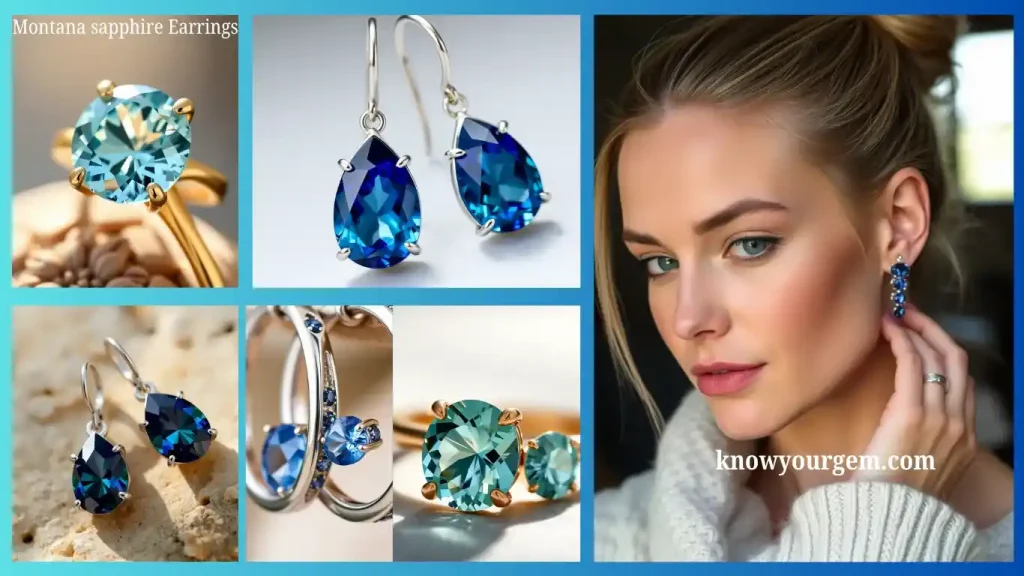
- Round: It is a brilliant cuts that maximizes the sparkle and suit smaller Montana stones that are destined for accent positions in Montana sapphire earrings or side settings where brilliance matters more than unique character.
- Oval : These shapes dominate larger Montana sapphires, particularity for Montana sapphire ring center stones. The Oval’s elongated profile maximize apparent size whether maintaining an excellent light return across most crystal qualities.
- Emerald: These cuts and step-cut variants work exceptionally well with cleaner Montana material. The Emerald cut Montana sapphire showcases color purity and crystal clarity whether offering a vintage-inspired elegance increasingly popular in contemporary designs.
- Custom precision cuts: These cut enable lapidaries to work with Montana sapphire’s natural characteristics rather than forcing stones into standard shapes. Hexagonal cuts, modified cushions, and asymmetric designs can transform challenging rough into distinctive finished gems.
Optical Phenomena:
Pleochroism in Montana sapphires typically manifest as subtle shifts between blue and violet when stones are viewed from vary angles. This effect, whether less dramatic than in some gemstone species, contributes to the living quality that makes well-cut sapphires captivating.
Light return differences versus heated stones become apparent in side-by-side comparisons. Since unheated sapphire specimens sometimes display softer, more diffuse brilliance, whether heated examples often showcase crisper light return due to improved internal clarity and color concentration.
Treatments: Full transparency
Montana sapphires are esteemed not just for their stunning look but also for the honesty of their treatment practices. Since heat can enhance their brilliance, but transparency in disclosure ensures buyers recognize exactly what they are getting: authentic corundum shaped by nature, refined by tradition.
Are Montana Sapphires treated?
Heat treatment is explained: since controlled heating to temperatures between 1700-1800°C can dissolve rutile silk inclusions, improve transparency, and enhance color saturation. This centuries old process remains the standard treatment for the most commercial sapphires world wide.
Heating can transform a pale, slightly included stone into the more saturated, cleaner gem that commands significantly higher market value often the difference between profitable and unprofitable mining that’s why heat is commonly used to connect market expectations and economic reality. Heating can transform a pale, slightly included stone into a more saturated, cleaner gem that commands significantly market value often the difference between profitable mining.
Heat permanently alters crystal structure and inclusion patterns but doesn’t add foreign materials or create colors absent in the original stone. The chemistry remains authentic corundum, simply recognized.
Untreated vs Heated Stones:
Visual differences can range from subtle to the drama that depends on the initial quality. Some Montana stones showcase minimal change with heating, whether others transform significantly in both color and clarity.
Durability comparison discloses no practical difference. Since, both heated and unheated sapphires believe to maintain identical hardness like 9 on the mohs scale and identical chemical stability. Heat treatment doesn’t compromise wearability or longevity.
Price impact varies by market segment. In commercial jewelry, heated stones can actually prescribe higher prices due to the improved appearance. Among collectors and in high-end markets, unheated Montana sapphire specimens with an excellent natural color enjoy substantial premiums for their rarity and authenticity.
Treatments NOT Used:
No beryllium diffusion lies in rebuttable Montana sapphire treatment. Beryllium diffusion is a process that adds color through surface-level element introduction and embodies a fundamentally different intervention than simple heating and demands specific disclosure.
No fracture filling with glass or resin appears in properly represented Montana stones. Although this treatment is used to hide clarity flaws in lower-quality material, it contradicts the transparency standards as maintained by ethical Montana dealers.
The Montana sapphire market has built its reputation on straightforward treatment disclosure. Since buyers can generally expect clear communication about heating status, with untreated stones specifically certified as such.
Montana sapphires balance rarity, beauty, and ethics in a way that few gemstones can their value is not only about carat weight or color but it is about origin, authenticity, and the story each that each stone carries from Montana’s rugged landscapes to the jewelry box:
Montana Sapphire value & pricing Logic:
Montana sapphires balance rarity, beauty, and ethics in a way that few gemstones can their value is not only about carat weight or color but it is about origin, authenticity, and the story each that each stone carries from Montana’s rugged landscapes to the jewelry box:
What Determines Price:
Color saturation ranks as the preeminent value driver. Among the blue Montana sapphire specimens, deeper, more vivid examples prescribe substantially higher than pale pastels, since market appreciation for distinctive teal and green tones complicates simple saturation-based hierarchies.
Origin within Montana affects pricing through quality reputation. The Yogo sapphire designation holds historical prestige and quality consistency that justifies a premium over generally sourced Montana material.
Treatment status creates parallel markets. Collectors who are seeking for unheated specimens pay premiums for authentic color and clarity, whether commercial jewelry buyers often prefer heated stones that deliver better color saturation at more accessible price points.
Carat size rarity curve becomes steep above two carats. Whether one carat Montana stones remain relatively available, specimens exceed three carats lies infrequently enough to prescribe disproportionate premiums when they posses good color and clarity.
Size & Rarity Reality:
Montana’s sapphire bears formations simply didn’t create the conditions for large crystal growth that is occurred in some international deposits. Most rough yields are finished stones under one carat that’s why over 2 ct are uncommon connects to deposit geology.
Collector demand dynamics favor size in Montana material precisely because of this scarcity. A well colored, unheated three carat Montana sapphire embodies genuinely rare material that transcends typical gemstone pricing formulas.
Are Montana Sapphires Investment Stones?
Long term supply constraints suggest value stability at the minimum. As active mining areas deplete and new discovery becomes less likely, exciting Montana stones embody finite material that can’t be replicated or expanded through new production.
Ethical premium growth appears probable as consumer consciousness continues to evolving toward transparency and sustainability. Montana’s inherent advantages in provenance and practices position these gems favorably for long-term market appreciation.
Realistic expectations matter; gemstones generally underperform financial investments like diversified equities. However, Montana sapphires offer reasonable value preservation as combined with aesthetic enjoyment a balanced proposition for buyers who appreciate both beauty and prudent purchasing.
Montana Sapphire vs other Sapphires:
Montana sapphire is venerated for its cooler blue-green hues, ethical sourcing, and transparent supply chains. It stands as a modern alternative to the traditional origins that are valued for authenticity and sustainability over historic prestige.
Montana vs Sri Lankan Sapphire:
- Color: Sri Lankan stones typically showcase warmer, more saturated blues with occasional violet undertones, whether Montana material tends toward cooler and softer tones with having green influences.
- Ethics: Sri Lankan sapphire mining includes both regulated operations and informal artisanal mining where labor practices and environmental standards vary significantly. Montana offers clearer ethical accountability.
- Treatment norms: Heating remains standard in both origins, since Sri Lankan dealers sometimes employ more aggressive treatments, including lattice diffusion rarely if it is ever used on Montana material.
- Market perception: Sri Lankan Sapphires believe to contain established prestige from centuries of the trade history, whether Montana gems embody relative newcomers gain recognition for distinctive character rather than the traditional perfection.
Montana vs Madagascar Sapphire:
- Color: Madagascar produces an extraordinary range from deep royal blues to the pinks and padparadschas. Montana’s range, whether diverse, centers more narrowly on the blue-green spectrum.
- Ethics: Madagascar’s gemstone integrates legitimate mining with concerning labor practices and environmental degradation in some regions. Supply chain verification proves challenging as compared to the Montana’s transparent operations.
- Treatment norms: Extensive heating and occasional beryllium diffusion occur in Madagascar material. Montana market maintains stricter treatment standards with clearer disclosure expectations.
- Market perception: Madagascar sapphires compete directly with the traditional sources on appearance and price, offer commercial accessibility. Montana gems occupy a niche market valuing origin story and ethical sourcing alongside aesthetics.
Montana vs Australian Sapphire:
- Color: Australian sapphires trend toward dark, inky blue and blue-greens with the lower brilliance similar to the Montana’s teal territory but typically darker and less lively.
- Ethics: Australian mining operates under developed world regulations as similar to Montana, that offers a comparable ethical and environmental standards.
- Treatment norms: Australian gems often demand heating to achieve marketable color, similar to Montana material, with straightforward treatment disclosure being industry standard.
- Market perception: Australian sapphires remain undervalued relative to the traditional origins despite good quality. Montana material prescribes premiums through marketing emphasis on American origin and limited production.
How To Buy A Montana Sapphire?
Montana sapphire offers a blend of beauty, rarity, and ethical assurance that makes them appealing to modern buyers. When purchasing, it is must not consider as only the aesthetics but also certification, treatment disclosure, and the reputation of the dealer.
Who Should Choose A Montana Sapphire?
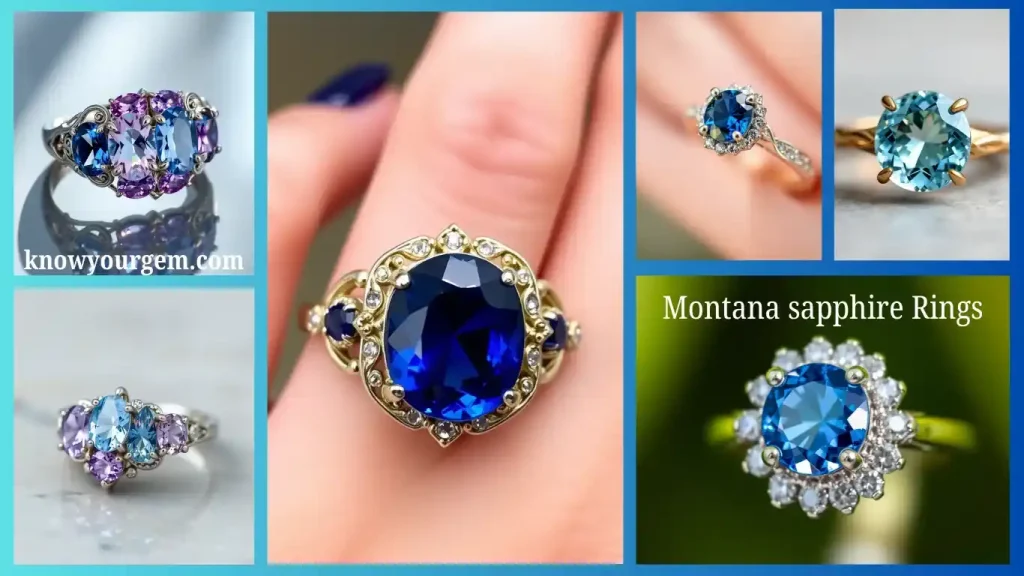
- Engagement rings: Couples who value ethical sourcing, American craftsmanship, and aesthetics over traditional appearance find Montana sapphire engagement rings perfectly aligned with contemporary values. The durability and symbolism remain identical to any sapphire origin.
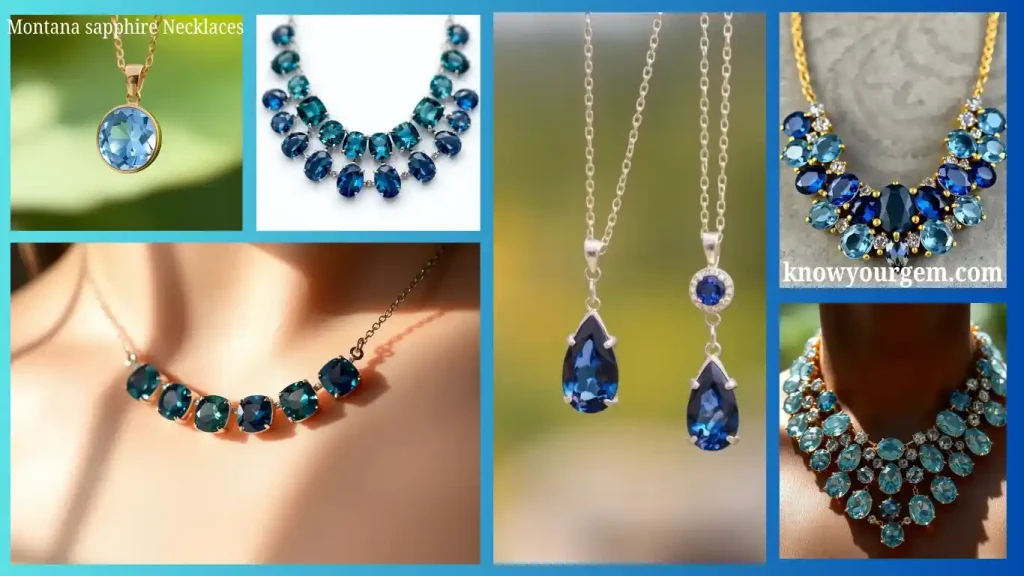
- Custom jewelry: Designers who are working on bespoke Montana sapphire necklace, Montana sapphire bracelet, or statement pieces appreciate Montana’s color diversity for creating truly individual designs that tell specific stories through carefully selected stones.
- Collectors: Serious gemstone enthusiasts recognize Montana material as genuinely limited resources with gemological significance. Building a collection spanning different deposits, colors and qualities offer engaging pursuit with manageable entry costs as compared to Kashmir or Burma rarities.
What To Look For?
Color consistency matters more in some applications than others. A Montana sapphire bezel ring might beautifully showcase subtle zoning, whether Montana sapphire eternity band designs typically demand matched stones with minimal variation.
Certification from recognized laboratories provide crucial documentation. Whether Montana origin itself doesn’t always appear on certificates, many labs report it, but only natural corundum treatment status should be clearly stated. A loose Montana sapphire is sold as unheated should include supporting documentation.
Origin verification limits exist within standard gemological reporting. Since labs can sometimes identify characteristics consistent with Montana Origin but rarely issue definitive origin reports with the certainty available for Kashmir or Burma material. Dealer reputation and documentation matter significantly.
Certification & Documentation:
GIA reports remain the industry standard for sapphire authentication and treatment disclosure. A Montana sapphire oval or cushion cut Montana sapphire with GIA certification endows independent verification of treatment status and basic quality parameters.
Origin disclosure limits mean that Montana sourcing often relies on dealer representation rather than laboratory confirmation. Reputable specialists in Montana jewelry maintain records that connect specific stones to mining locations, since this documentation can’t appear on formal gem reports.
Red flags to avoid include vague treatment disclosure, prices dramatically below market rates for stated quality, and sellers unable or unwilling to discuss specific mining sources. The vintage Montana sapphire ring market demands particular caution regarding both treatment status and actual origin claims.
Care, Durability & Wearability:
Montana sapphire owns 9 mohs scale of hardness means that it is the second hardest gemstone among all over the world’s gems. The gem it touch enough, which makes it scratch resistance and ideal choice for everyday jewelry including wedding band applications where stones face continues abrasion and impact.
Everyday wear suitability extends to all typical jewelry applications. Whether in Montana sapphire rings, a Montana sapphire cluster ring, or pendant settings, properly mounted sapphires withstand normal life activities including hand-washing, typing, and incidental bumps.
Cleaning and storage best practices remain straightforward; warm water with having mild soap and soft brushing removes typical dirt oil buildup. Since, ultrasonic cleaners prove safe for most Montana sapphire, because stones with having significant inclusions or fractures benefit from gentler hand cleaning, Store separately from harder materials (demands) and softer gems (pearls, opals) to prevent contact damage.
Expert Summary:
Ethical leadership is believed to define Montana’s position in an increasingly conscious luxury market. Complete demands that other origins struggle to meet with equivalent certainty.
Geological uniqueness creates material that can’ t be replicated elsewhere. Since the specific formation conditions that are produced Montana’s distinctive color palette occurred in limited locations during precise geological moments, these are finite resources, not renewable commodities.
Balanced beauty and durability allow Montana sapphire to function equally well in heirloom engagement rings and contemporary artistic jewelry. The hardness, chemical stability, and optical properties match any sapphire origin, whether the ethical advantages and distinctive aesthetics serve modern values.
As mining continues depleting accessible deposits and regulatory pressure increases on opaque supply chains, Montana sapphires deposits and regulatory pressure increases on opaque supply chains, Montana sapphires embody secure, documentable, and American gemstones. Their moderate pricing relative to the top-tier origins make them accessible, whether limited production ensures they avoid commodity-level commonness.
The Montana sapphire story integrates geological accident, mining history, contemporary ethics, and aesthetic individualism into gems that reward both intellectual appreciation and visual enjoyment stones enjoyment stones that look beautiful and feel right to own.
Author, Review & Editorial Transparency:
Author Credentials: This comprehensive guide believes to synthesize geological standards, market analysis, and practical buying expertise to provide accurate, actionable information for consumers, collectors and industry professionals.
Reviewer Standards: Content accuracy verified through cross-reference with peer-reviewed geological publications, gemological institute documentation, and established industry pricing databases. Treatment information aligns with GIA and IGI standards.
Editorial Standards: All claims are regarding geological formation, treatment effects, and market positioning represent current scientific and industry consensus as of the current environment. Price references reflect general market ranges than specific valuations.
Update Policy: This guide receives periodic review to incorporate new geological research, treatment developments, market evolution, and regulatory changes affect Montana sapphire sourcing and sales.
Note:
Montana sapphires embody lies gemstones subject to individual variation. Specific stones should be evaluated based on their unique characteristics rather than generalized origin assumptions. Don’t hesitate to ask for certification for significant purchases and work with reputable dealer who provide clear treatment disclosure and return polices.
Quick questions and answers:
1. Are Montana sapphires rarer than diamonds?
In terms of total global production, demands dramatically outnumber Montana sapphire. However, specific characteristics such as unheated Montana stones above two carats in good color can be functionally rare than comparable diamond qualities in practical market terms.
2. Why do some Montana sapphires look green?
Higher iron content relative to titanium shifts color toward green and teal territories. This chemistry is believed to reflect specific trace element ratios in Montana’s geological formations and embodies authentic natural variation rather than treatment or quality defect.
3. Can Montana sapphires fade?
No, Sapphire color remains permanently stable under all normal conditions which include sunlight exposure, heat, and chemicals. Color results from crystal structure and trace elements, not fugitive pigments that might degrade.
4. Are Yogo sapphires worth more?
Generally yes, because of consistent quality, historical reputation, and limited essentially depleted deposits. However, an exceptional stones from Rock Creek or Missouri River sources can equal or exceed Yogo values based on individual merit.
5. What makes large rough sapphire valuable?
Size, color quality, clarity, and treatment response determine rough value. Since a large rough sapphire with poor color and heavy inclusions can yield less value than smaller premium material. Montana rough particularly rewards evaluation expertise that give color zoning challenges.
6. How does sapphire price compare across origins?
Kashmir prescribes highest prices, followed by Burma, then Ceylon (Sri Lanka). Montana occupies mid-tier pricing for comparable color and clarity, since exceptional unheated stones can approach premium origin pricing.
7. Where are sapphires mined globally?
Sri Lanka, Madagascar, Australia, Thailand, Cambodia, Myanmar, Kashmir, and Montana are preeminent sources where sapphire is mined.
8. Why choose a Montana sapphire and diamond ring design?
Integrating Montana sapphires with diamonds can create contrast between the sapphire’s distinctive color and diamond brilliance. This classic pairing allows the Montana Diamond (actually sapphire “Montana diamond” is misnomer) to showcase its unique character whether diamonds endow fire and light return.
9. Does Brilliant Earth offer Montana sapphire?
Brilliant Earth offers Montana sapphires as part of their ethical gemstones, but availability must depends on current stock and size requirements.
10. What is Le Vian’s Montana sapphire collection?
Le Vain sometimes includes Montana sapphires in their jewelry, and showcase teal and blue -green tones that fit their modern style.
11. Can you find Montana yellow sapphire?
Yellow Yellow occurs extremely rare in Montana deposits as compared to blue and green variants. When found yellow Montana sapphires command collector interest due to scarcity, since color saturation typically remains lower than premier yellow sapphires from Sri Lanka.
12. What is a Montana emerald?
This embodies a misnomer, Montana produces sapphires (corundum), not Emeralds (beryl). The term might reference green sapphires or reflect historical between green gemstones.
13. Is raw Montana sapphire valuable?
Value depends on size, color potential, clarity, and treatment responsiveness, Since Montana sapphire rough demands expertise to evaluate accurately, as external appearance often differs sustainability from finished stone results.
14. What characterizes Montana blue?
“Montana blue” usually describes the cooler, steel to pastel blue tones typical of the origin. This difference comes from warmer, more violet-influenced blues common in Sri Lanka material.
15. How does sapphire Mining Montana work?
Methods include small scale mechanized excavation of preeminent deposits, recreational panning alluvial gravels, and seasonal water based concentration techniques. Operations remain predominantly small-scale as compared to industrial mining elsewhere.
16. What defines a Montana sapphire cabochon?
Cabochon cutting: domed top, flat or slightly curved bottom suits Montana material showcase phenomena like asterism (star effects) or stones where transparency doesn’t warrant facing. Montana sapphire cabochons appear less commonly than faceted.
17. What is the sapphire gallery Montana?
This likely references specific retailers of or showrooms specializing in Montana sapphire inventory, since the term doesn’t denote an official designation or standard entity.
18. Where can you find Montana gems and sapphire jewelry?
Montana sapphire is mainly found through specialized dealers, local jewelers, ethical retailers, and custom designers, they carry big jewelry chain rarely.
19. What’s unique about Montana fancy sapphires?
“Fancy” typically denotes non-blue colors. Since Montana fancy sapphires encompass the greens, teals, yellows, and parti that distinguish the region’s output from blue- dominant international sources.

Welcome to KnowYourGem.com! your ultimate destination for uncovering the fascinating world of gems and their secrets! I'm Kamil Hussain, a passionate blogger with a Master’s degree in Economics, dedicated to bringing you insightful, well researched content that blends the beauty of gemstones with the art of storytelling. With a keen analytical mind and a love for discovering hidden treasures, I created this platform to help you explore the brilliance, history, and value of every gem.

