
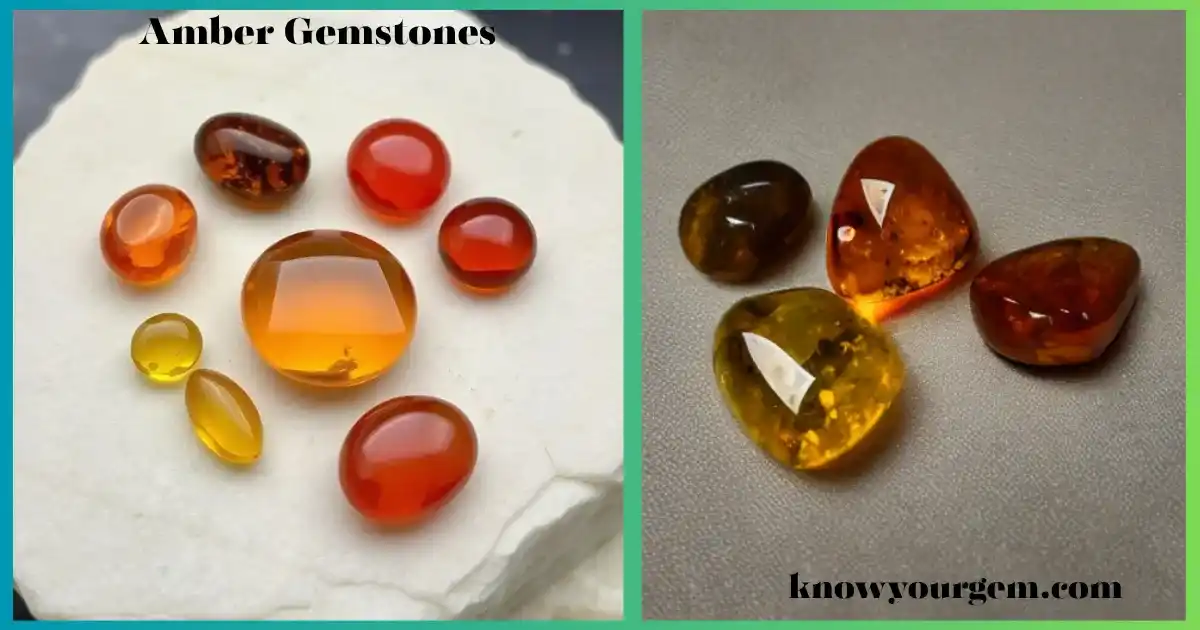

Amber, A brilliant gemstone produced from fossilized tree resin more than millions of years, it is a relic of ancient Earth, which is mostly known for prehistoric of its depth. Revered for its warm, honeyed hues ranging from pale yellow to deep cognac, amber possesses an otherworldly glow, as if it carries within it the very essence of the sun.
which separates Amber from other esthetic gemstones which has remarkable inclusions tiny remnants of life from epochs long past. Hence Encased within its translucent embrace, one might find delicate ferns, fragments of bark, or even exquisitely preserved insects that once roamed primordial forests. Therefore these organic and esthetic remnants transform amber into a natural time capsule, offering glimpses into ecosystems that have long since vanished.
Characteristics of Amber gemstone:
Amber, is a gemstone formed from the very essence of old forests, is a brilliant relic of moment, revered for its luminous warmth and the secrets it holds within. With a golden glow that ranges from honeyed yellows to deep, cognac hues, this gem is not merely a gem but a window into prehistoric epochs, preserving echoes of a world long past.
One of its most splendid characteristics is its inclusions delicate fragments of plant matter, minuscule air bubbles, or even perfectly preserved insects, all suspended within its translucent embrace. Therefore these organic relics transform amber into a time capsule, offering an intimate glimpse into the ecosystems of primeval landscaping, where towering conifers exuded the resin that, over millions of years, hardened into the fossilized gem we cherish today.
Despite its ethereal appearance, amber possesses a tangible, almost paradoxical appeal. Hence with a hardness of only 2 to 2.5 on the Mohs scale, it is notably smooth, making it highly malleable for artisans which, for centuries, have carved it into intricate beads, pendants, and sacred talismans. Although its resinous luster, warm to the touch, exudes an organic beauty and attractiveness that feels alive, unlike the cold hardness of crystalline gemstones. Though its density is low, this gem carries a surprising sense of weight, a tactile richness that enhances its allure.
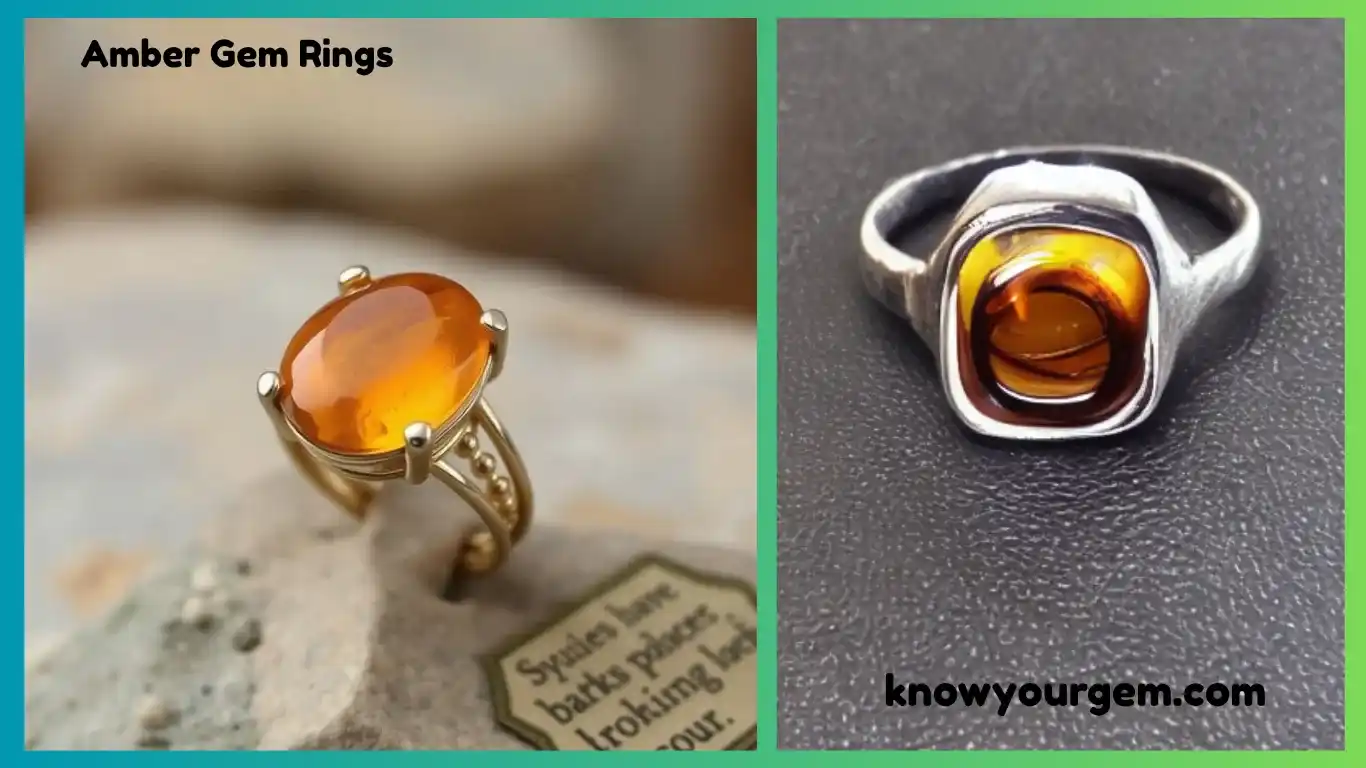
Historical Facts about Amber gemstone:
This a gemstone with an extraordinary beauty, has been stocked for thousands of years, revered not only for its captivating beauty but also for its deep cultural and spiritual power. Formed from fossilized tree resin over millions of years, amber serves as a bridge between the past and the present, preserving remnants of ancient life and traditions that span across civilizations.
A Gemstone has been Ancient Civilizations:
The history of this gem is related to the earliest human societies, Hence with archaeological evidence of its use dating to the Stone Age. The Baltic region, home to the world’s most abundant amber deposits, has yielded artifacts that tells its importance in early trade and craftsmanship. Hence the Primitive societies shaped amber into beads, pendants, and amulets, knowing its aesthetic appeal and seemingly mystical properties.
Trade Routes with the Amber Road:
its valued for the development of extensive trade networks, with the most famous being the “Amber Road” a trade route which is associated with Baltic region to the Mediterranean, Asia, and beyond. Hence By the Bronze Age, Therefore Baltic amber was a highly sought-after commodity, transported by land and sea to distant regions, including the Roman Empire, the Middle East, and even China. Wealthy traders, artisans, and royalty prized amber not only for its beauty but also for its perceived metaphysical properties. Although the Romans, in particular, valued it immensely, with Emperor Nero reportedly sending expeditions to acquire large quantities of the gem for personal adornment and imperial treasures.
Amber with Mythology and Spiritual Beliefs:
If back to the history, different cultures have woven brilliant myths around amber, often associating it with divine origins and celestial powers. Although in Greek mythology, its was believed to be the “tears of the Heliades” the daughters of Helios, the sun god, who mourned the loss of their brother, Phaethon. Their sorrowful tears, falling into the river Eridanus, hardened into golden amber.
Healing and Medicinal better Uses:
its reputation as a healing stone dates throughout the antiquity. Hence the Romans and Greeks ground amber into powders and mixed it into potions believed to cure ailments ranging from sore throats to arthritis. Therefore Physicians in medieval Europe burned amber as incense, believing its fragrant smoke could cleanse the air of disease and negative energies.
Amber in the Modern World Calendar:
It is one of the well known gemstones in world for over millions ago. Hence the Baltic region continues to be a primary source of rich quality it, with Poland, Lithuania, and Russia producing some of the most exquisite specimens. The Dominican Republic is also renowned for its unique “blue amber” which shows a rare fluorescent effect under sunlight.
In this modern World, this gem is converted into jewelry, decorative objects, and even luxury goods must likely to chess sets and religious icons. Hence Museums and collectors prize amber specimens containing old inclusions, such as insects and plant matter, which provide invaluable insights into prehistoric ecosystems.
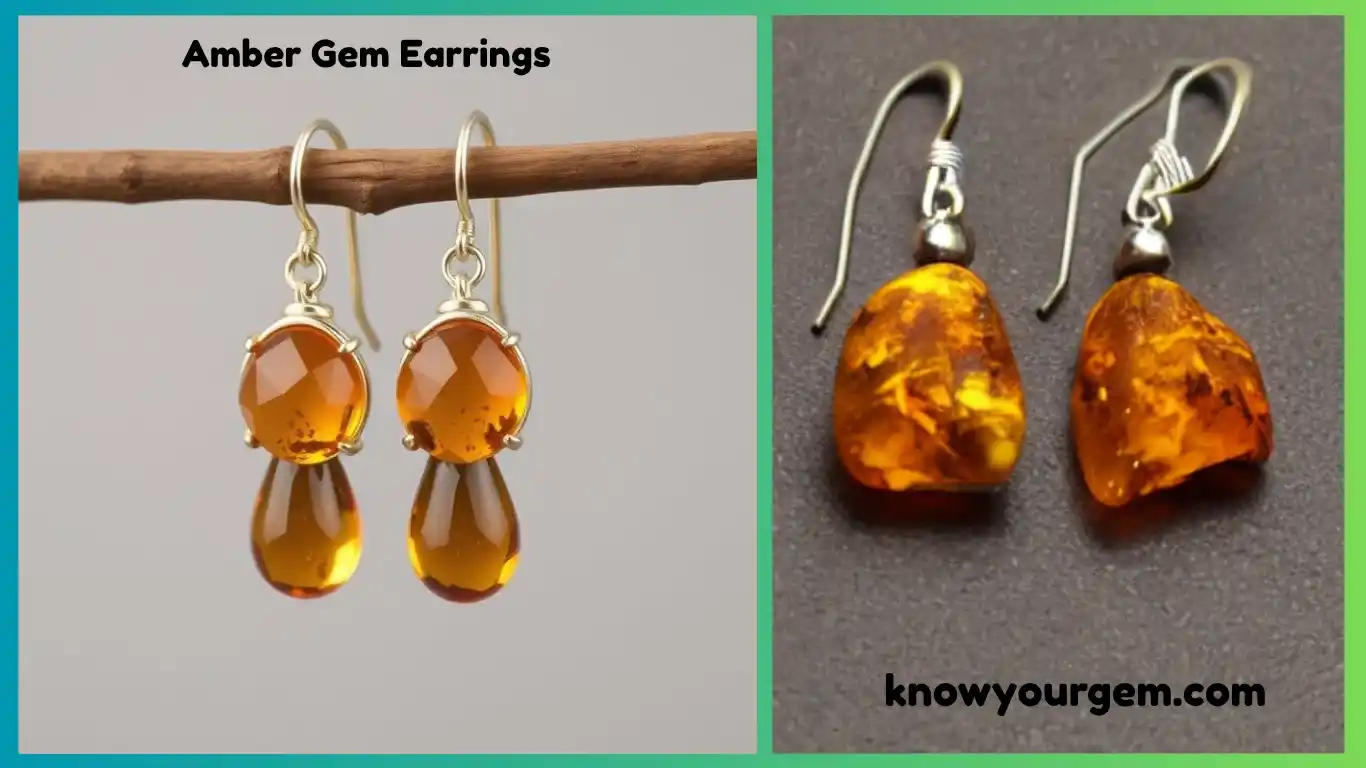
Formation of Amber gemstone:
This gem is like a most admirable gemstone which is formed the most oldest tree in the world, Hence this natural gemstone is secreted by trees as a protect mechanism in response to injury, stress, or environmental factors like insect infestations or fungal infections. Therefore when the resin oozes from the tree, it may grab different organic materials, including insects, plant fragments, and even small vertebrates, preserving them in remarkable detail. Therefore these inclusions provide valuable scientific insights into prehistoric ecosystems and old life forms.
More than millions of years, the resin undergoes a most extreme process of fossilizing, during which it is buried under layers of sediment, showed to heat and pressure, and subjected to chemical transformations. Therefore this gradual hardening alters the composition and structure of the resin, converting it into amber. Although the presence of specific environmental conditions, such as the absence of oxygen and the right levels of temperature and pressure, plays a essential role in this transformation. Moreover as the resin matures, it solidifies into a durable, lightweight material with a distinctive warm glow.
Benefits of this gemstone:
Amber gemstones allows multitude of benefits to those who wear or carry them. Hence it is also known for its healing properties, this gem is more likely to alleviate physical ailments, discards inflammation, and encourages overall wellness. Therefore emotionally, this gem may bring a sense of calm and grounding, helping to discard stresses’ and anxiety whether fostering emotional stability and clarity. Hence this gem is also used for spiritual consistency , warding off negative energies and inviting positive energy into one’s life. Additionally, this gem if said to enhance creativity and inspiration, making it a valuable tool for artists and creative individuals. Furthermore many people also believe that this gem can attract luck and prosperity, bringing abundance and success. Lastly, Amber’s fossilized nature connects wearers to the past, offering a unique source of wisdom and knowledge.
Better selection of Original Amber gemstone:
Whenever we are selecting a gemstone, we must consider its color, clarity. Hence this Gem is most likely known for its warm color, ranging from golden yellow and deep orange to rich red tones. Moreover some rare kinds even showed green or blue shades. Therefore the most sought after pieces often feature unique inclusions, such as trapped insects, plant fragments, or air bubbles, which add to their beauty and historical significance.
The natural and pure gem has a lightweight feel and a warm touch when held in the hand, setting it apart from synthetic substitutes. Therefore it certainly contains natural imperfections, like, tiny cracks or internal textures, which boost up its character and uniqueness. Although to verify authenticity, you can perform a simple “smell test” when rubbed or gently heated, genuine amber discharges a pleasant pine like or resinous scent, a characteristic that imitations made from plastic or copal resin lack.
Difference between Lab and Original Gem:
The most important and the unique difference between an organic Gem and Lab created Gem is that the natural Gem is like a simple stone and note polished for shinning while Lab created Amber is its opposite like that is artificially created and converted in different designs. Hence Natural amber is formed from fossilized tree resin more than millions of years ago, undergoing geological transformations which boosting up its authenticity and value. Therefore it certainly contains unique inclusions like, plant matter, insects, or air bubbles, preserving a piece of ancient history. moreover in contrast, lab created amber is artificially manufactured using synthetic resins, designed to mimic the appearance of real gemstone but lacking its organic and geological significance. Whether synthetic amber may resemble the natural kinds in color and texture, Hence it does not get the same rarity, historical depth, or intrinsic value. Moreover natural amber is highly known for its authenticity, warmth, and the brilliant inclusions which provide scientific and aesthetic appeal. Due to its ancient origins and unique characteristics, natural amber remains more sought after by selectors, jewelers, and enthusiasts alike.
Key points to protect Amber from getting scratched:
If you want keep your Amber in a natural condition, proper care and storage are essential. Therefore this is an organic gemstone with a relatively smooth composition, making most protectable to scratches and surface damage compared to harder stones like diamonds or sapphires. Moreover to prevent scratching, always store your this gem separately from other jewelry, preferably in a smooth pouch or a fabric lined jewelry box. Furthermore keeping it away from harder gemstones and metals will help preserve its smooth surface and natural polish.
In other words if you want to keep a natural and good amber you must need to keep away from exposing this gem to harsh chemicals, hairsprays, and cosmetics, hence as these substances can cause discoloration or dull its shine. Furthermore this gem is sensitive to heat and prolonged exposure to sunlight, hence it is best to store it in a cool, dry place to prevent brittleness or fading. Furthermore when handling amber, do so much care, as it can be brittle and may crack or chip if dropped onto a hard surface.
Conclusion
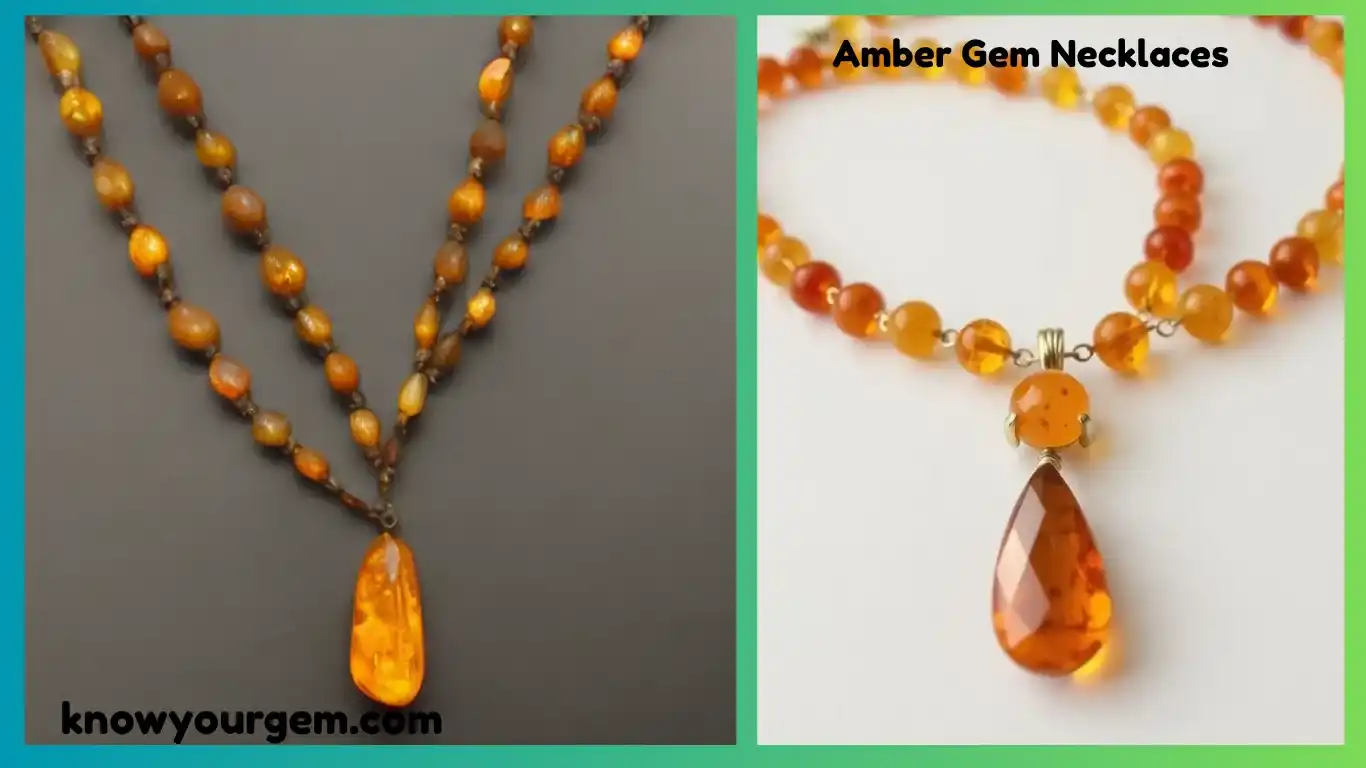
Amber is not like too much than just a beautiful and attract gemstone, this is the nature of artistry. Hence this gemstone is formed from old tree resin and often containing prehistoric inclusions, this gem filled up the gap between the past and the present, hence it also allowing both aesthetic allure and metaphysical benefits. Therefore its warm glow is most likely to radiate healing power, encouragement of emotional balance, spiritual protection, and creative inspiration. Whether worn as jewelry, used in meditation, or admired for its historical significance, Although Amber will remain a brilliant gemstone which continues to captivate and uplift those who connect with its timeless essence.
FAQS:
1-What do you know about Amber, and how is it formed?
Amber is not a generally gemstone it’s actually fossilized tree resin which more than millions of years ago. Therefore over time, this resin undergoes a natural polymerization process, preserving ancient history, sometimes even with prehistoric insects and plant matter trapped inside!
2-Can Amber be a real gemstone?
Generally, no. Amber is an organic gem, means that it is not a mineral like a Diamond and ruby. However, its beauty, rarity, and historical brilliance make it just as valuable and cherished as any traditional gemstone.
3-What colors are most likely related to Amber?
Usually Amber is most likely golden honey in color, hence it can also be determined in shades of yellow, orange, brown, red, green, and even rare blue or black varieties. Hence the color depends on the tree species, environmental conditions, and the presence of natural elements.
4-Can Amber have any healing properties?
Exactly! more people believe that Amber has healing properties. Therefore it is can also absorb negative power, discard stress, enhancing confidence, and even help with physical ailments like pain and inflammation. That’s why Amber teething necklaces are popular for babies.
5-Why could Amber feel so light?
Amber is most likely light than other most gemstones because it’s organic in nature. Therefore this makes it perfect for jewelry, as even large pieces remain comfortable to wear.
6-Could this Gem burn?
Exactly, because Amber is fossilized resin, it is flammable. Therefore when burned, it gives off a pleasant pine like scent. Hence in old times, it was even used as incense for its soothing aroma.
7-What are the techniques to know if my Gem is real?
If you hold it in your handy you will feel warm, slightly tacky and can float in saltwater. Therefore fake gem (plastic or resin imitations) usually sinks. Furthermore another test that Rub genuine stone can generate static electricity and even pick up small paper bits!
8-Where where do we find it ?
Amber is found in many places, but the most famous sources include the Baltic region (Poland, Lithuania, Russia), the Dominican Republic (home to rare blue Amber), and Myanmar. Some pieces date back over 100 million years!
9-Can this gem be used for spiritual protection?
Exactly, more people in trust that this gem has more protective properties, Hence shielding the wearer from negative energies whether promoting inner peace and clarity. Therefore it has been used for centuries as a talisman of good luck.
Must read:
While exploring my blog, if you have any questions related to the content, kindly leave a comment below. I am committed to addressing all your questions.

Welcome to KnowYourGem.com! your ultimate destination for uncovering the fascinating world of gems and their secrets! I'm Kamil Hussain, a passionate blogger with a Master’s degree in Economics, dedicated to bringing you insightful, well researched content that blends the beauty of gemstones with the art of storytelling. With a keen analytical mind and a love for discovering hidden treasures, I created this platform to help you explore the brilliance, history, and value of every gem.

