


Cape Amethyst is truly booster gemstone, known for its soft layers of purple Amethyst blended with milky white quartz. This natural banded pattern creates a dreamy, pastel look that feels both elegant and modern. It is vary to the traditional Amethyst’ deep solid purple, Cape Amethyst shines with a lighter, more ethereal beauty that instantly draws attention.
Cape Amethyst is basically originated from Cape region of south Africa, but it is also found in Namibia and Brazil. It is valued for its beauty and meaningful factors. Although, it integrates the spiritual clarity of amethyst with the calm energy of quartz that make it a favorite for during taking medicine, emotional stability and mindfulness.
Its 7 mohs scale makes it tough enough for daily wear sets like, rings, bracelets, and pendants. At the same time it is loved for its ability to balance emotions and also for open higher chakra. In 2025, where beauty, spirituality and sustainability require for making sharper look of jewelry, Cape Amethyst well suits for it because it owns all these abilities. know more about 12 different types of Amethyst;
What is Cape Amethyst?
Cape Amethyst is an ordinary variety of quartz that stands out because of its dual composition purple Amethyst is blended with milky white quartz. Whether traditional Amethyst is commonly a solid, deep purple (caused by iron impurities and natural irradiation), Cape Amethyst is vary. Its signature looks to come from layered or banded patterns, where Amethyst crystals alternate with milky quartz. Although, this creates soft lavender streaks mixed with cloudy white which give stone a dreamy, pastel like glow. Imagine the gentle stripes of a lavender sunset fading into white clouds that is the kind of beauty Cape Amethyst carries.
How it forms:
The stone develops into a volcanic basalt regions, especially in Cape area of south Africa, and Namibia and Brazil alike. Its structure reflects to the natural dance between purple tones of Amethyst and milky translucence of quartz. Whenever the white quartz layers form got V shape stripes, the stone is often called “chevron amethyst.” A good example is the polished chevron amethyst pendants you will often see in crystal shops. Where the zig zag bands make each piece on of a kind.
Rare Variations:
Some Cape Amethyst specimens are even more unique, featuring red hematite cappings. These add fiery red or orange highlights on top of the purple and white layers. Collectors give value these “red cap amethysts” clarity with hematite’s grounding energy. For instance, red cap Amethyst clusters are often showcased at gem fairs as statement pieces because they look like naturally painted them with ha brush of flame.

Origin: Where Cape Amethyst is Found
The name “ Cape Amethyst” is taken from its primary source like, the cape region of South Africa, which is famous for forming this distinctive banded gemstone where soft lavender layers of Amethyst blend perfectly with milky white quartz. South Africa remains a key mining hub, but Cap Amethyst is also found in Namibia and Brazil, both renowned for their rich quartz deposits. In fact, Brazilian Amethyst often delivers some of the finest specimens, showcases the stone’s signature layered structure at its best.
Natural Creation Process:
Cap stone forms inside a volcanic basalt cavities, where silica rich fluids slowly crystallize into alternating bands of purple Amethyst and milky quartz. This natural layering process is similar across all its mining regions, Although, each location adds subtle differences which depend of local minerals and conditions. Let suppose, South Africa can show sharper chevorn patterns, while Brazilian specimens often display softer, could like bands.
Responsible & Sustainable Works:
On the bases of 2025’ calender, gem lovers are now increasingly reflect to the ethical source and sustainability in which Cape Amethyst fits right in to this trend. Collectors are now looking for both the environment and local communities. Mining operations in South Africa, Namibia, and Brazil are responding by adopting eco friendly extraction methods, and supports to local initiatives, and introducing traceability systems that guarantee each stone’s responsible origin.
Metaphysical properties of Cape Amethyst:
Cape Amethyst is valued for its balanced and protective energy, that blends the comfort qualities of traditional Amethyst with the nurturing clarity of quartz. This dual nature makes it strong tool for emotional healing and helps people to discard past wounds, ease stress, and invite inner peace. Its meaning is closely tied to the emotional equilibrium, that makes it a trusted companion for transforming anxiety into calm stability.
Spiritual Connections:
Purple Amethyst is deeply connected to the third eye , heart chakra which the energy center that guides intuition, spiritual awareness, and higher consciousness. Because of this, Cap Amethyst is highly valued in meditation and mindfulness practices, where it helps to bro clarity of thought, deep reflection, and a stronger sense of awareness.
Although many practitioners use Cap Amethyst during their medicine time because they could kick out the negative energies from their inner and also could welcome positivity to them.
Red Cap Amethyst Variation:
One of the most fascinating forms of Cap Amethyst is red Cap Amethyst, that features a sharping red hematite inclusions layered over purple and milky quartz. This rare combination adds grounded and protective energy to amethyst’s spiritual clarity. Red cap amethyst is often chosen by spiritual practitioners who are looking for holistic balance, and boosting personal growth, emotional balance, and shielding against negativity. Collectors give value these specimens for their beauty and their metaphysical significance.
Modern wellness applications:
In 2025 the modern world, people find Amethyst from special place in the wellness community. People are have fallen in love with its gentle, calming energy, that helps to ease stress, quiet the mind, and restore emotional balance.
Layered Amethyst with its beautiful mixture of soft purple amethyst and milky quartz, carries these same comforting qualities whether adding a unique sense of clarity and harmony.
Many people use it during meditation to stay focused, release negative energy, and also for invitation of peace into their lives.
Physical & scientific properties of Cape Amethyst:
Cap Amethyst belongs to the quartz family. Basically this gemstone is known for its durability and versatility. It ranks 7 on the mohs scale of hardness which means that the stone is tough enough for resistance scratches and everyday wear. That’s why Amethyst is great choice for jewelry like, rings, bracelets, and pendants. You can enjoy while wearing it on daily bases without and hesitation.
Crystal Structure & Formation:
As same as all quartz, layered Amethyst has a trigonal crystal structure, It typically forms inside geodes or veins within volcanic basalt rock. Its signature banded or chevron patterns are created during the slow cooling stages of crystal growth, when in temperature and chemistry cause alternating layers of purple amethyst and milky collectors and jewelry designers love.
Real world example:
A polished piece like Cap Amethyst 23mm flat cut stone is often chosen to highlight these natural brands. The soft lavender streaks intertwined with creamy quartz layers create a striking contrast, makes each stone unique. Furthermore its beauty, these layers also tell story of its geological history, showing how nature carefully built it over time.
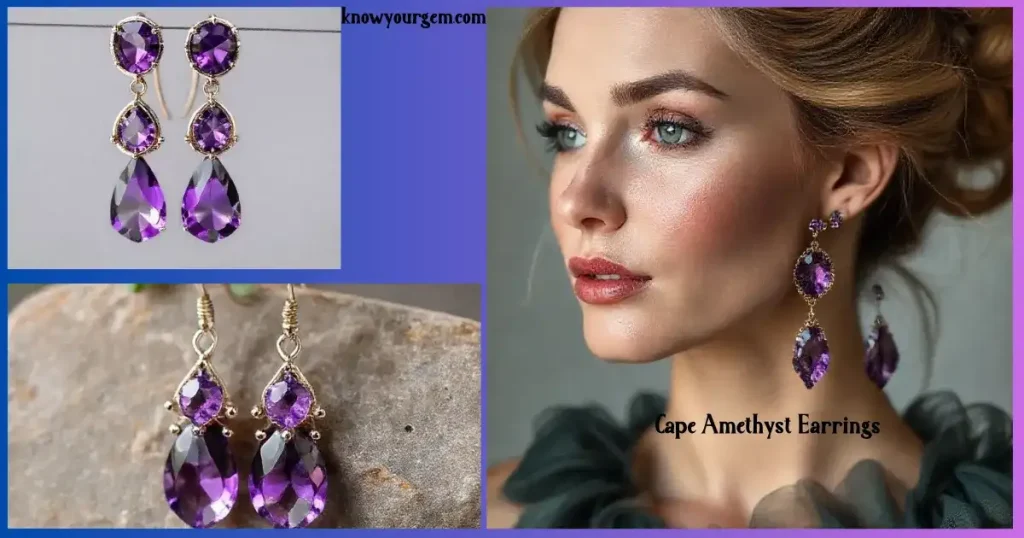
Cape Amethyst in Jewelry:
Cape Amethyst becomes one of the most sought after gemstones in 2025, especially I the jewelry world. Its wonderful banded patterns and soft lavender colors blended with milky quartz make it stand out inn both fashion and wellness circles.
Statement pieces & everyday wear:
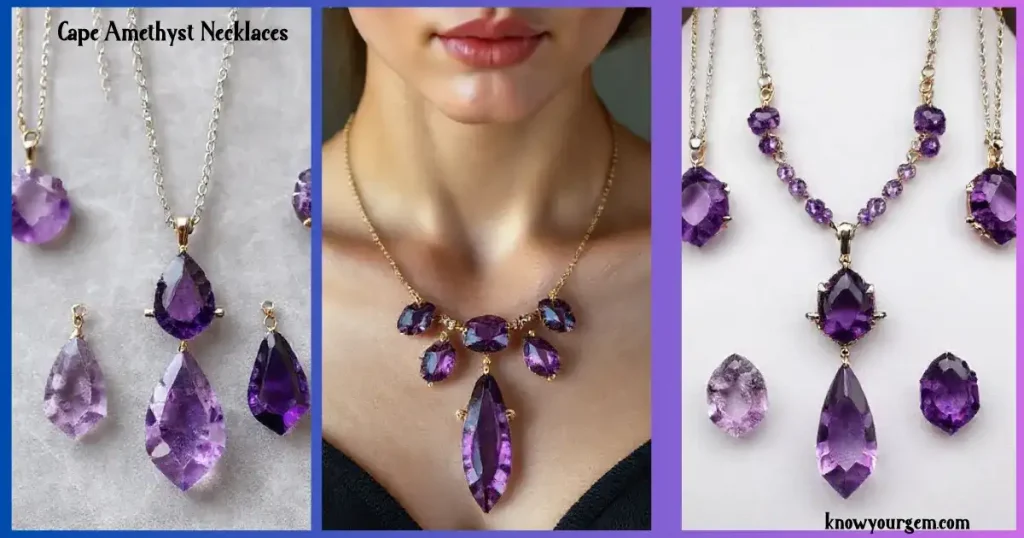
Cape Amethyst is often seen in Chunky beaded bracelets well as in polished pendants, and elegant rings. Jewelers now love to highlight its natural layered patterns, which give every piece a one of a kind look.
The mixture of beautiful lavender tones and calm energy has made Cap Amethyst a favorite across various jewelry styles blending fashion with wellness in a way that feels both modern and timeless.
Local Craftsmanship & ethical sourcing:
In places like Cape Town, South Africa, they are the hub for locally sourced Amethyst jewelry, pieces of purple Amethyst reflect both artistry and ethical mining practices. Buyers are now increasingly value sustainability, and their offer allow them to connect with the stone’s origin whether supporting to responsible extraction and community initiatives.
Fashion meets wellness:
The rising demand for cap Amethyst jewelry is fueled by mix of style and spirituality. Its metaphysical benefits are linked to the stress relief and spiritual clarity which makes it especially popular among holistic lifestyle enthusiast. Seasonal spikes, like as during holidays, highlight its role as a meaningful gift to choice blends elegance with emotional significance.
Care & durability:
To keep Purple Amethyst jewelry look best, gentle cleaning with mild soap and water is recommended, whether avoiding harsh chemicals that cloud dull its polish. Its greatness is that it is 7 on the mohs scale of hardness means its durability is enough for daily wear, which makes it both practical and beautiful.
How to identify genuine Cape Amethyst:
Buying Cap Amethyst can be tricky because its beautiful banding of purple Amethyst and milky quartz is often imitated or artificially treated. Understanding how to spot the real thing helps to ensure you are getting a stone with true natural beauty and value.
Natural color Zoning:
Authentic Cap Amethyst shows lavender or violet bands alternating with opaque milky quartz layers. These bands are never perfectly uniform, subtle variations in tone and pattern reflect the stone’s natural geological growth. In contrast, dyed or heat treated quartz usually looks too even, lacking the layered depth that makes the Amethyst unique.
Key signs of authenticity:
- Visible layers of purple and white within the stone’s structure
- Translucency in some areas, enabling light to pass through softly
- Natural imperfections or inclusions, which confirm authenticity rather than reduce value
- Nuanced banding (chevron or layered patterns) instead of flat, uniform color
Fake or treated stones often appear overly bright, evenly colored, or flawless, qualities that can look for appealing but don’t match the natural character of Cape Amethyst.
Buying Tips:
When shopping online, always:
- Check high resolution, unedited photos that clearly show the stone’s banding and clarity.
- Ask for close up images to confirm natural layering
- Look for trusted sellers which provide customer reviews and provenance details.
- Request certification or treatment description to ensure ethical sourcing and authenticity.
Cap Amethyst vs other Amethyst varieties:
When comparing cap Amethyst with other types of Amethyst, its uniqueness lies in its banded composition like soft layered look gives Cape a gentler, pastel like aesthetic as compared to the solid, uniform purple seen in traditional amethyst.
Quality & appearance:
The beauty of Cape Amethyst totally depends on the vibrancy of its purple bands and the clarity of its white quartz layers. So, this sets it apart from:
- Siberian Amethyst is mostly valued for its deep, rich purple tones and considered as one of the highest grade amethysts.
- Chevron Amethyst is known for its sharper, V shaped zig zag patterns which are basically formed by purple and white layers, to create a bold, dynamic look.
- African Amethyst is often darker and more intense in colorfulness.
- Brazilian Amethyst is usually lighter, with pale violet shades, it is widely available.
Energy & meaning:
Each type carries its own metaphysical qualities:
- Cape Amethyst is especially known for calm and emotional balance.
- Siberian Amethyst is linked to the spiritual wisdom and protection.
- Chevron Amethyst is known for boosting courage and aid in energy cleansing.
- African Amethyst is often connected with the strength and grounding.
- Brazilian Amethyst is a gentle, accessible energy, popular for daily use.
Amethyst price & demand guide:(2025)
Lets explore the price guideline of Amethyst for 2025:
Market Dynamics:
In 2025 Amethyst isn’t just a gemstone but it is a story of color, craftsmanship, and swing widely depending on origin, clarity, banding, and size, with each factor shaping its appeal.
- Cape amethyst sits comfortably in the mid range among quartz varieties.s
- Brazilian amethyst, is prized for its deep, vibrant purple, and it often commands premium prices.
Price ranges:
- Small clusters & tumbled stones are usually under $100.
- Geodes average cost between $100 to $3000, with cathedral sized, high grade pieces reaching into the thousands.
- By weight anywhere from $20 to $2000 per kilogram, depends on intensity of color and crystal clarity.
Jewelry demand:
The jewelry market is where Amethyst truly shines:
- Rapidly growth in popularity of its color which makes makes Amethyst affordable luxury.
- Younger buyers demand is drawn to its uniqueness and metaphysical charm.
- All over the world’s Amethyst rings market was getting cost around $4.5B in 2023 but its projected amount till 2030 would be $6.8B (CAGR 4.6)
Regional trends:
- North America & Europe are places they are still dominant markets in the world.
- Asian Pacific region like (China & India) Both are quickly growing and fueled by rapid incomes and fashion forward consumers.
How to use cape Amethyst:
Cape Amethyst is valued for its unique banded loo and its calm energy. People often use it during meditation for the role of third eye chakra to deep awareness, relax the mind, and create a peaceful mood which make it helpful for reducing stress and anxiety. At home, it can be used as decor to bring balance and harmony to the space.
It is also popular in jewelry, especially in man’s pieces, because of its bold patterns and grounding qualities. Even small items, like amethyst key caps, let you carry its soothing energy throughout the day. Many people believe cap Amethyst helps to release negative emotions, supports personal growth, and strength spiritual connection. Its stabilizing energy can enhance focus and creativity, whether it also offers protection from negativity. So, keeping it close to body can bring both clarity and calm.
The power move: The high vibe classic
Cape Amethyst is more than just a stone it is a mindful investment. From natural SiO₂ crystal structure to responsibly sourced pieces, it represents beauty with purpose. Although, the striking mixture of purple and white bands are more than decoration; it is a symbol of balance spiritual depth from amethyst paired with the cam clarity of quartz. In 2025, where wellness and meaningful possessions matter, Cap Amethyst fits perfectly.
2025 GEM ALERT: The conscious collector’s choice market watch: Standard standard amethyst is facing oversupply, that can lower prices for common stones, but cap amethyst, with its bold layered look and rarity, is holding strong. It matches today’s trend of grounded yet elevated energy intuition plus focus.
Your Next Move: Don’t buy stone before choosing a piece with a verified ethical source. A traceable cap amethyst isn’t just a collector’s item; it is a tool for sharper focus, emotional balance, and peaceful clarity in a fast paced digital world.
FAQS:
1. What is Cape Amethyst?
It is a special type of amethyst quartz with purple bands which is mixed with milky white quartz. People value it for both its beauty and and its calming spiritual energy.
2. How do you get to Amethyst Cove, Cape Split?
Its location is in Nova Scotia, Amethyst can be reached mainly by boat or by hiking a steep, rope assisted trail along the cliffs.
3. Is red capped amethyst the same as red quartz?
No, red capped amethyst gets its reddish rim from iron oxide staining. Red quartz, on other hand, is fully red because of vary minerals.
4. Where does Cape Amethyst come from?
Cap Amethyst is basically found in South Africa’s Cape Province. It is formed for million of years when silica rich fluids filled volcanic rock fissure.
5. How do you cleanse and recharge it?
For cleansing,wash stone with warm soapy water, smudge with sage, or bury in the earth. Whether, you can recharge your stone by placing it under full moonlight for fresh energy, that is often used for sleep and spiritual balance. v
6. What chakras does Cape Amethyst support?
It majorly works with the Crown and third eye chakra, which helps with intuition and spiritual insight.
7. Is Cape Amethyst good for daily wear?
Yes, on the mohs scale of 7 it is durable enough for daily wear. Just avoid harsh chemicals and too much sun you jewel will look sharper.
8. Is Cape Amethyst rare?
It is less usual than regular amethyst, but not truly rare. High quality pieces with clear banding can be bitter tough to find.

Welcome to KnowYourGem.com! your ultimate destination for uncovering the fascinating world of gems and their secrets! I'm Kamil Hussain, a passionate blogger with a Master’s degree in Economics, dedicated to bringing you insightful, well researched content that blends the beauty of gemstones with the art of storytelling. With a keen analytical mind and a love for discovering hidden treasures, I created this platform to help you explore the brilliance, history, and value of every gem.

