

Abstract
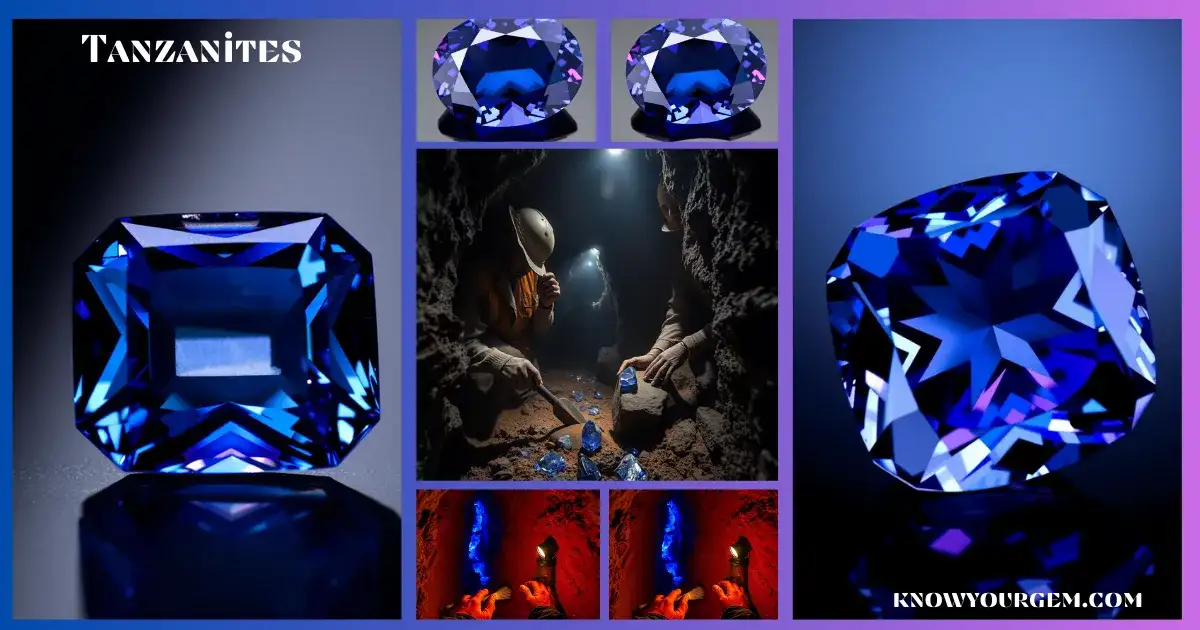
Tanzanite gems are like no other found naturally in just one spot on the planet, deep beneath the slopes of Mount killimanjaro. Thus, their creation procedure result of intense geological force, where fire and lighting like, energy fused minerals into gems that can shift between rich blues and vibrant violets. Therefore this rare origin will give Tanzanite gems a mystique that set them apart from every other gemstones on Earth which make Tanzanite a truly remarkable. Unlike Diamonds or sapphires, which have been known and mined for centuries across multiple regions, Tanzanites were discovered relatively within the deep Earth. Although, Their scarcity is integrated with their colors, and have sparked to growing demand and not just from jewelry lovers but from investors who are recognizing their rising market value.
Where is Tanzanite Found? The Only Location on Earth (2025)
Quick Answer: Tamzanite is basically and only found in a place called the Merelani Hills of Nothern Tanzania, near Mount Kilimanjaro. This 7 kilometer mining area is Earth’s sole source of natural Tanzanite.
Where exactly is Tanzanite found?
When it is asked where is Tanzanite found? The answer must be remarkably specific. Tanznaite is a gemstone basically and ultimately found only in one place called Merelani Hills of Tanzania’s Manyara Regioon, sometimes it is called as Meremani. This small area is the exclusive source of Tanzanite, which produces incredible, rare and most natural gemstones.
Geographic Location:
- 40 kilometers far from Tanzanite and the area is called Mount Kilimanjaro
- 10 kilometers south of Arusha city from Tanzania
- Mining area: 7 km long × 2 km wide (14 square kilometers total)
This makes Tanzanite the only major gemstone which is sourced from a single location. Whether diamonds are across 30 plus countries and sapphires in 15 plus nations, Tanzanite is found only in this small Tanzanian area.
The four mining blocks:
The location where Tanzanite is actually found divides into four blocks:
- Block A: Artisanal mining, original 1967 discovery sites
- Block B: Medium-scale operations, high-quality stones
- Block C: Industrial mining (TanzaniteOne/Richland Resources), 65% of production
- Block D: Developing area, mixed operations
Total employment are: 40,000-70,000 people work directly in these mines.
Why is Tanzanite Found Only in Tanzania?
While recognizing where Tanzanite is found basically demands understanding why it is formed there. The Merelani Hills possess unique geological conditions that are occurred nowhere else on the Earth:
- Perfect Temperature (485-540°C) The rocks underwent metamorphism at exactly the right temperature. Too hot (>600°C) will create different minerals; tool cool (<450°C) resist gem quality crystals.
- 2. Vanadium Presence Tanzanite’s blue violet color comes from vanadium that replaces aluminum in the crystal structure. The Merelani Hills had the precise vanadium concentration is needed mafic intrusions have provided this during the Pan- african orogeny 585 million years ago.
3. Tectonic Pressure The East African Rift System has created 2-4 kilobars of pressure, that transforms the calcium-aluminum silicate into the zoisite. As it combined with vanadium, it creates blue Tanzanite.
Global exploration results:
Mining companies have searched extensively for Tanzanite in other locations:
Regions Explored (No Tanzanite Found):
- Kenya (Tsavo region, similar geology)
- Madagascar (metamorphic zones)
- Malawi (Great Rift Valley)
- India, Sri Lanka, Myanmar, Brazil
The GIA and SSEF confirm Tanzanite is a single locality gem, since the conditions where Tanzanite is found can’t be replicated elsewhere.
Discovery: How the Location where Tanzanite is found was discovered
- July 1967: A lighting strike is triggered a brush fire in the Merelani Hills. Since the intense heat is naturally treated brownish crystals on the surface, that reveals stunning blue color.
- Discovery: Maasai tribesman Jumane Ngoma has found the blue stones after the fire and collected samples. Initially it was mistaken for sapphire, gemologists have identified this gem as a new variety; blue zoistie with vanadium.
- 1968 Launch: Tiffany and Co’s Henry Platt have named it “after the location where is tanzanite found, launched it as the gemstone of the 20th century.
- 2002: Tanzania has declared Tanzanite as its official national gemstone, and it was distinguished as December birthstone.
Mining depth: How deep is Tanzanite found?
Where Tanzanite is found underground varies by the operation:
- Artisanal mines: 10-100 meters deep
- Commercial operations: 50-200 meters deep
- Industrial mining (Block C): Up to 600 meters deep (current deepest operations)
Quality Connection: deeper deposits where Tanzanite is actually found typically yield larger crystals with the better color saturation. Stones more than 5 carats with having an exceptional color usually come from depths exceeding 300 meters.
Can Tanzanite be found anywhere else?
- Natural Tanzanite: No, the natural and qualitative tanzanite is found exclusively in Tanzania’s Merelani Hills. Despite extensive searches, doesn’t no other commercial deposits exist.
- Vanadium-bearing zoisite exists in the tiny amounts in Norway, Austria, and Switzerland, but these are not gem quality, they have poor color, and are too small to cut.
Alternatives:
- Synthetic Tanzanite: Synthetic gems which are expensive 1% of market
- Simulants: Blue spinel, synthetic sapphire, cubic zirconia are not real tanzanite.
Verification: It is must to ploechroism that shows blue violet, burgundy from vary angles. So, it is best to always request for GIA/AGS certification, and verify refractive index like 1.691-1.700
Tanzania’s Economic connection:
The location where Tanzanite is found is a vital to Tanzanite’s econmy:
Government Revenue:
- 5% mining royalties
- Export duties and corporate taxes
- Annual revenue is like: $100-300 million USD
Employment:
- 40,000-70,000 direct minier who are doing jobs
- 5,000-10,000 cutters and polishers
- Supporting industries throughout Arusha and Manyara regions
Cultural Significance: The official gemstone of Tanzania is Tanzanite which is symbolized with natural wealth, and major tourism driver.
Mount Kilimanjaro Connection: Merelani Hills where Tanzanite is found basically or entirely it is 40 kilometers far from Tanzania. Marketing uses the treasure beneath Kilimanjaro narrative to emphasize exotic African origin.
Future: How long will Tanzanite Last?
The finest area where Tanzanite is found is Depleting:
Depletion Estimates:
- 2010 study: 30 years remaining
- 2018’s study is : 10-25 years
- 2025 consensus are : 10-30 years at current mining rates
Variables: Unknown deeper deposits like below 600m, mining intensity, market demand, and technology affect the timeline.
Post-Depletion Impact: When the location where Tanzanite is found is exhausted , supply ceases permanently. Since, historical parallels like (Benitiote mine closure in 2006 show prices can triple. Investment grade stones like 5+ carats, AAA color) show strongest appreciation potential.
Visiting Where Tanzanite is found:
Yes, you can visit! The location where Tanzanite is found offers tourism opportunities:
Mine Tours:
- TanzaniteOne/Richland (Block C): Supervised tours when available ($50-200 USD)
- Underground access, processing facilities, geological exhibits
Arusha (10 km from mines):
- Tanzanite Experience Center
- Gem markets and dealers
- Cutting demonstrations
- Educational exhibits
Getting There:
- You have to fly Kilimanjaro International Airport (JRO)
- 1-hour drive to Arusha
- Tours available through authorized operators
Buying Tips: ✓ Request GIA/AGS certification
✓ Use reputable dealers (Tanzanite Experience, Shimon Gemstones)
✓ Understand Tanzanian export laws
✓ Avoid street sellers
Tanzanite Meaning and Symbolism:
Tanzanite gems are often seen as a stones of transformation and spiritual growth. Various people believe Tanzanites will help to clear emotional blockages, encourage calmness and internal peace. Although, they are also thought to enhance communication and intuition, which make them a helpful stones for those people who want to connect more deeply with their inner wisdom and spiritual self.
Emotional balance and Metaphysical Meanings:
Tanzanite gems have an ability to balance emotional healing, reduce stress, and anxiety and also promote clarity and calm. On a metaphysical level, these gems are closely connected to the third eye and throat chakras. Although, these are thought to support better communication of one’s authentic self and enhance spiritual insight. Those people who use Tanzanite gems in meditation often find they aid in accessing higher consciousness and developing psychic abilities.
December Birthstone: (Tanzanite gems)
Tanzanite is so called December birthstone, it offers a unique alternative to the traditional stones like, turquoise or blue Topaz which are more less price than Tanzanite. As a December birthstone, it is symbolized with new beginning, prosperity, and kindness, which makes it a popular for meaningful gifts and personal jewelry.
Tanzanite color and Tanzanite grading:
Tanzanite Color:
Tanzanite gems naturally appear in a range of colors which include deep blue, violet and bluish purple. Although, their unique traits are that they can show defferent colors which are depending on the angle you look at them, due to a property whsich is called pleochroism. Although, you will often see a mixture of blue and violet together, sometimes with flashes of red. These colors can appear to change under the different lighting, looking more violet indoors under yellow light an deeper blue in a natural daylight.
Tanzanite Grading:
When it comes to grading Tanzanite, color saturation and clarity can be the key . Hence, the richest, most vibrant blues, and strong violet hues, are the rarest and most valuable. Paler or pastel tones make up the most of the stones mined but are less expensive. Therefore, the Clarity is an essential which shows Tanzanite typically eye clean, which means no visible flaws can fetch higher prices. Although, the another factor is size, as larger Tanzanites generally more than 5 carats tend to display deeper, more intense colors.
How Heating Enhances Color:
Mostly Tanzanite you will find for sale would be heat treated. Although, its natural state, Tanzanite often comes with a brownish or dull color. Thus, heating procedure can remove brownish tones and brings out vivid blues and violets that make the stone so attractive. This treatment is stable and commonly in the industry, which helps to reveal the beautiful range of hues that tanzanite is famous for.
Tanzanite mohs: (Tanzanite Gems)
Tanzanite is 6.5 to 7 on the mohs scale of hardness which means that it is moderately hard but softer than more common gemstones like sapphire or diamond. Whether it is suitable for various types of jewelry, Tanzanite is more careful handling to avoid damage. Although it is more prone to scratches an requires more careful handling to avoid damage. Although it has a perfect cleavage in one direction, which means it can be more susceptible to chipping or breaking if hit hard. For this reason, protective settings are recommended, especially for rings. Indeed with proper care, Tanzanite Jewelry can be enjoyed for various years.
Difference between Tanzanite and other rare gemstones:
Following are the difference between Tanzanite and other rare gemstones:
Tanzanite vs diamond:
Tanzanite is more rare than diamond because it comes from just one place in the world near Mount Kilimanjaro in Tanzania. Although, its bluish violet color is striking and unique, which something diamond can’t quite replicate. However, Tanzanite is softer, 6.5-7 on the mohs scale and it requires more care to avoid scratches. In contrast diamond is the hardest natural gemstone diamond ranks 10 on the Mohs scale of hardness, it makes diamond more durable and suitable for everyday wear. Moreover, Diamond is known for its exceptional brilliance and sparkle or fire. Additionally, diamond has a long history and firmly established market value, which is often being seen as an investment. So, Tanzanite’s market is more niche, because of its rarity and limited supply suggest it could gain value over time.
Tanzanite Vs Sapphire: (Tanzanite Gems)
Tanzanite gems are basically known for their vivid, bluish violet color. They are much rare than Sapphire because they come from just one place in the world which is called Tanzania. Although, Tanzanite gems typically have an excellent clarity, which often appear quite clean to the eye. However, they are softer than sapphire because they are on 6.5 to 7 mohs scale of hardness, so they require more care while wearing them. Whether Sapphires are commonly know for their rich royal blue shades, and are tougher stones with having 9 mohs scale of hardness which makes Sapphires more durable and suitable for everyday jewelry like, rings. Although, Sapphires can come in a wide range of colors beyond blue, including pink and yellow. Thus, they often contain some inclusions, but their hardness and resistance to chipping give them a edge in durability.
So, price of both are wise versa, Sapphires tend to be more expensive due to their durability, long standing popularity and association with royalty. Whether Tanzanite gems are more rare than sapphires and generally costs less but their unique color and limited supply give them a strong appeal for those who want something different.
Tanzanite vs Amethyst vs Blue Topaz:
Tanzanite is a rare gemstone only found in Tanzania, it has a unique bluish violet color that appears on different angle and lighting. This makes it quite special. However, it is a bit softer 6.5-7 on the Mohs scale of hardness, so it needs a gentle care to avoid scratches. Although, Tanzanite is a type of quartz that’s why it is a more common and affordable. Although, it has purple shades, from pale lavender to deep violet. Whether, Amethyst’s color is stable and doesn’t change much with light. It is slightly harder than Tanzanite with having 7 Mohs scale of hardness, which make it a bit more durable for everyday jewelry because it is more available worldwide and Amethyst is generally less expensive. Although, blue Topaz, is basically known for its bright and clear blue color, thus it is quite harder than other two gems. It is 8 on the mohs scale of hardness which makes it more durable and everyday wear, Blue topaz is also widely available and affordable, popular for its vibrant blue that mimics sapphires but at a lower price point.
Most preferable Tanzanite Jewelry:
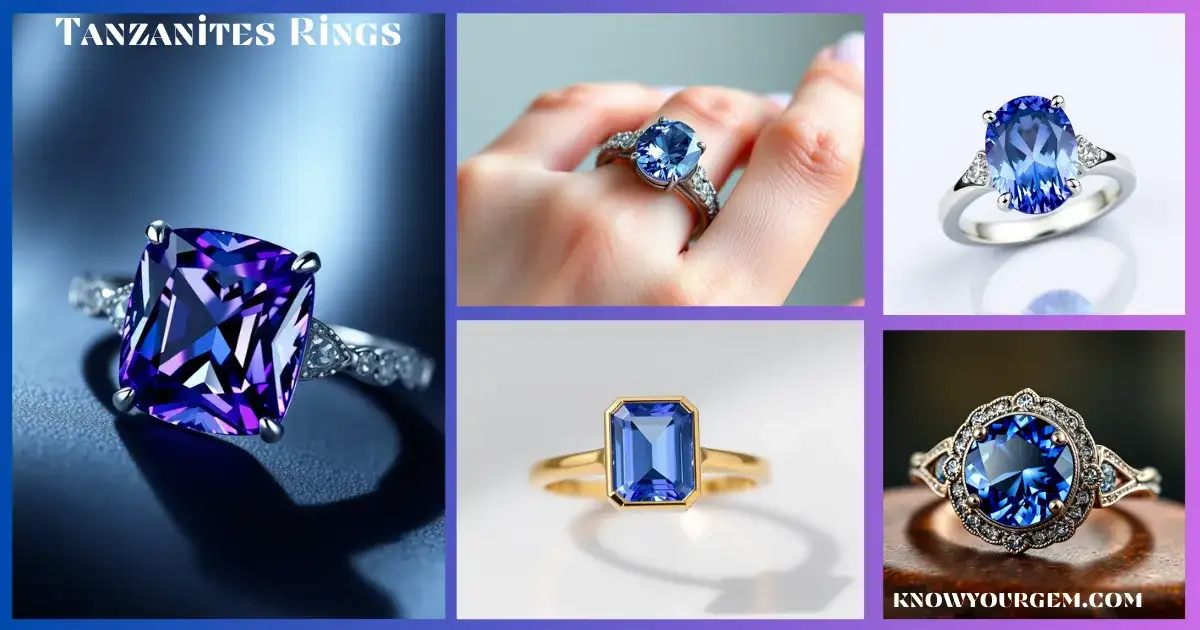
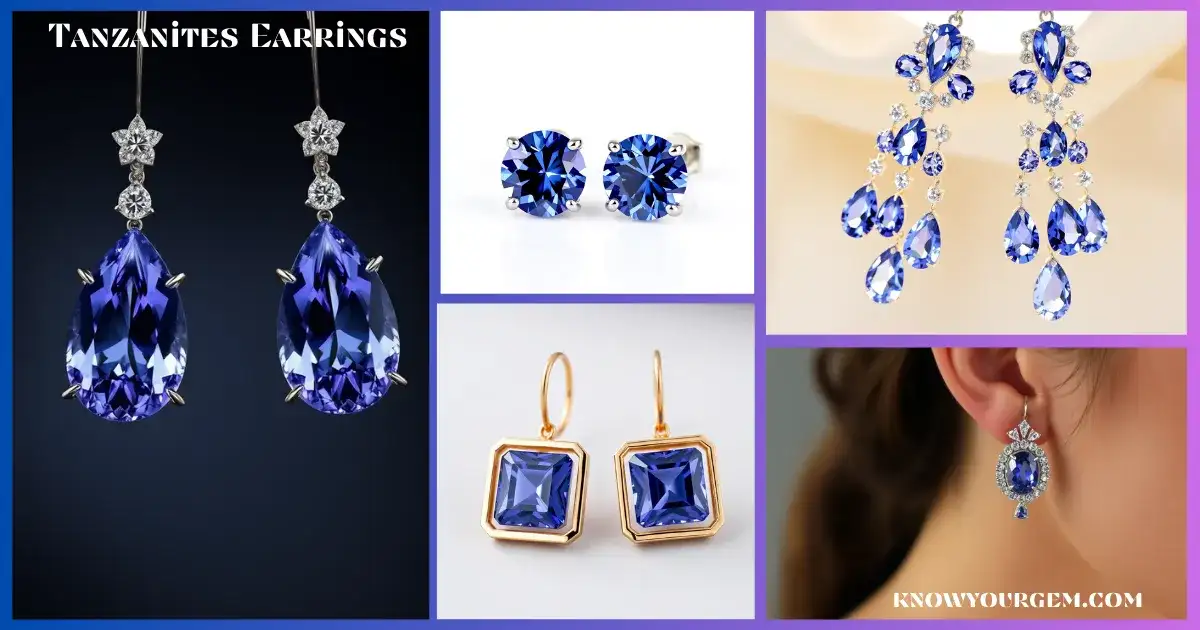
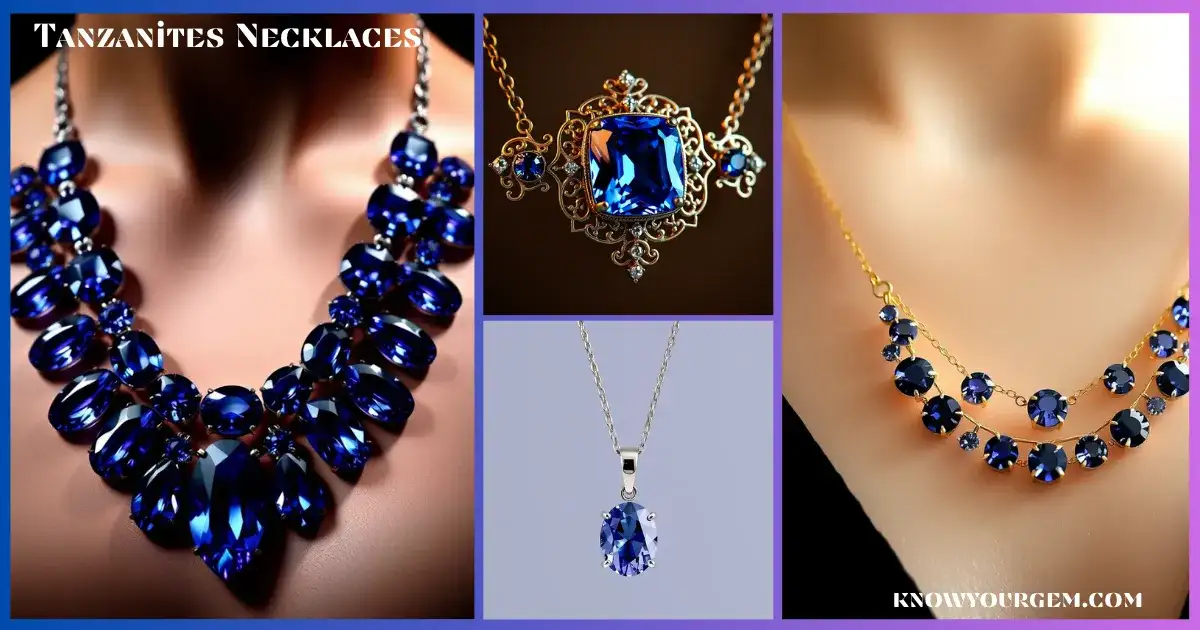
Tanzanite jewelry is mostly preferable because of it having a vibrant color and unique elegance to any collection. You can find it out in many jewelries like, rings, earrings, necklaces, and engagement rings are all popular choices. Although, each jewelry highlights tanzanite’s blue violet color signature uniquely and beautifully. For metals, white gold and platinum pair exceptionally well with tanzanite. Its cool tones brings out the gem’s vibrant colors, and make the stone pop. Hence, Yellow gold can also work, and offers a warmer contrast that highlight the gem’s rich depth in more classic way.
So, when it comes to cuts and designs like, Oval, cushion, pear, and Emerald cuts are favorites. Although, these shapes tend to reveal Tanzanite’s color shifts and sparkle best. Moreover for engagement rings, styles often include halo settings with diamond to enhance the Tanzanite’s brilliance while providing an extra protection, since Tanzanite is softer than traditional diamond centers.
Tanzanite value and price guide:
Several factors make Tanzanite most valuable and pricey, the most important one is its color. The stone with having a deep saturated blue and violet color tends to be the most valuable and the stone that shows more blue and a medium dark tone can usually fetch higher prices, while paler or overly violet ones are worth less and Clarity also matters. Although, Tanzanite is a clear without visible flaws or inclusions, are more desirable and can be more expensive. Moreover the size of a stone is playing a major role, as larger, high quality stone would be be more rare and command premium prices. Mostly Tanzanite is being treated by heat to bring out its blue and violet colors. Thus, Untreated stone which maintains a beautiful color naturally can be more valuable. The cut and craftsmanship also affect to the value of well cut stone that shows off the gem’s color and brilliance will be priced higher. Generally its price can be ranged roughly from $300 to 800 per carat for top quality blue Tanzanite. Thus, other color varieties like green, purple, or yellow Tanzanite can vary widely, with some shades being rare and more costly. Although, Tanzanite is rare than diamond, so its price will stay lower because the diamond market has a more controlled supply and higher demand.
Final Thoughts:
Tanzanite gems are special that’s why they only found in small area in Tanzania. They have been beautiful mixture of blue and violet color that can look differently depending on how the light hits them because they come from just one place in the world, Tanzanites are very rare and looking much better than Diamonds. They were first discovered in 1967 in Tanzania which make them relatively new gems in the market. Tanzanites are not hard as like other gemstones, so they need a little bit extra care to keep shine their natural look.
FAQS:
1. What is Tamzanite gem meaning?
Tanzanite gems are symbolized with transformation, calmness, and spiritual growth. Thus, they are often linked to intuition and inner wisdom, and helping people to feel like peaceful growth.
2. How can we identify natural tanzanite gems?
Natural Tanzanite gems show a unique blue violet color that change when viewed from different angles. Thus, they usually have a good clarity and are often heat treated to enhance their vibrant colors.
3. What gem quality Tanzanite has?
Tanzanite gems are mostly valued for their rich, deep colors and eye clean clarity. High quality stones have strong blue or violet tones and minimal visible flaws.
4. How can we care for tanzanite gem?
Tanzanite gems are softer than many gemstones, So they require gentle cleaning with warm water and mild soap. Must avoid harsh chemicals or ultrasonic cleaners. Store them separately to prevent scratches.
5. Is Tanzanite a precious gem?
Tanzanite gems are considered as a rare and precious as compared to others because they only come from one place in the world, which makes them much rare than other gems. However, they are usually categorized as semi precious stones due to their relative softness.

Welcome to KnowYourGem.com! your ultimate destination for uncovering the fascinating world of gems and their secrets! I'm Kamil Hussain, a passionate blogger with a Master’s degree in Economics, dedicated to bringing you insightful, well researched content that blends the beauty of gemstones with the art of storytelling. With a keen analytical mind and a love for discovering hidden treasures, I created this platform to help you explore the brilliance, history, and value of every gem.


