

Overview:
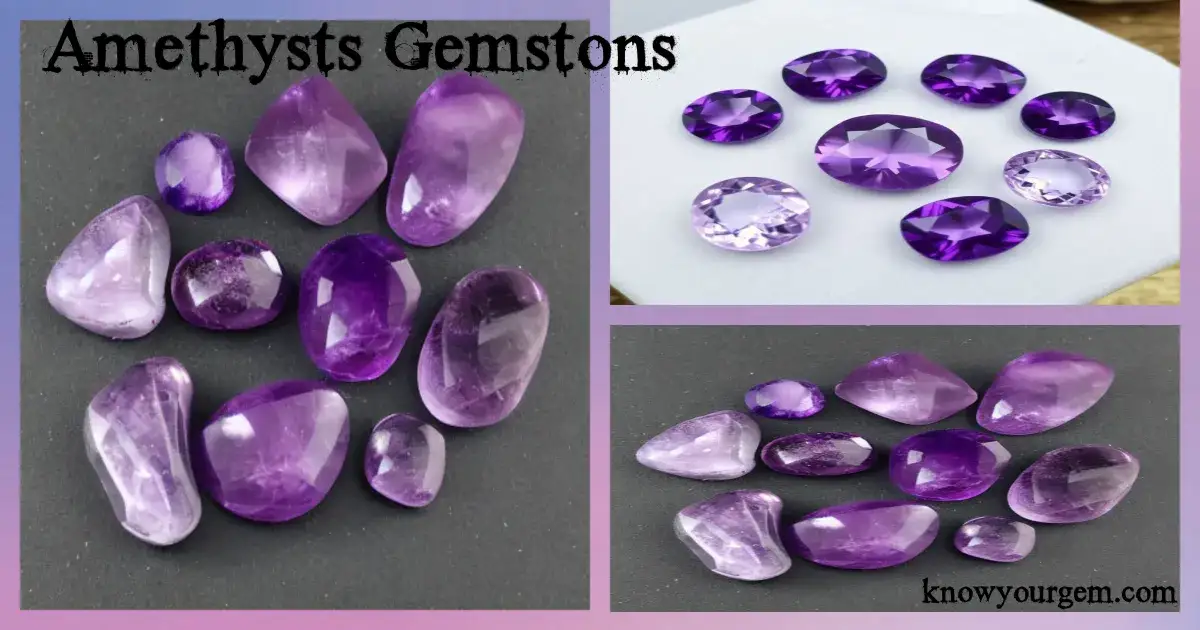
Purple Purple Amethyst gemstones are one of the most stunning and popular gemstones in the world, known for its mesmerizing color and profound spiritual significance. With a history that spans centuries and a reputation for promoting calmness, clarity, and protection, amethyst has captivated the hearts of gemstone enthusiasts, spiritual searchers, and jewelry admirers alike.
In this article, we’ll discover the fascinating world of purple Amethyst, from its ancient origins and physical properties to its modern-day uses and care tips. While you’re drawn to its beauty, its healing energy, or its rich history, this guide will give you with everything you need to know about this legendary gemstone.
The Origin and History of Purple Amethysts:
Etymology and Ancient Beliefs:
The name “amethyst” found from the Greek word “amethystos,” meaning “not drunk” or “sober.” Traditionally Greeks believed that wearing or drinking from amethysts vessels will protect them from intoxication. This belief stemmed from a myth involving the god Dionysus and a maiden named Amethystos, who was turned into a quartz crystal to protect her from Dionysus’ wrath.
In **Egyptian culture**, amethyst has used for protection and also has often carved into amulets. It has been also associating with royalty and spirituality, making it a prized gemstone for religious artifacts and royal jewelry.
Amethyst in Royalty and Religion:
Throughout history, amethyst has been a symbol of power and spirituality. It adorned the crowns and rings of European royalty, and it has used in religious artifacts, suppose the rings of Catholic bishops. Its deep purple hue has been often associating with wealth, wisdom, and divine connection.
Physical and Chemical Properties of Purple Amethyst:
Mineral Composition:
Purple Amethysts are a variety of “quartz (SiO₂),” it is one of the most abundant minerals on Earth. Its purple color is caused by trace amounts of “iron” within the crystal structure, which undergoes natural irradiation to generate the iconic hue.
Key Characteristics:
Hardness: 7 on the Mohs scale, making it durable enough for everyday wear(in daily life).
Crystal Structure: Hexagonal, often forming prismatic crystals.
Transparency: Transparent to translucent, with a vitreous luster.
Color Range: Light lavender to deep violet, with the most known stones exhibiting a rich, saturated purple.
Major Sources:
Purple Amethysts are determined in several parts of the world, with notable sources including:
Brazil: prized for generating, high-quality crystals.
Uruguay: popular for its deep purple amethyst.
Zambia: generates amethyst with a unique reddish-purple hue.
Spiritual and Metaphysical Properties of Purple Amethysts:
Purple Amethysts have renowned for its spiritual and healing properties, making it a favorite among crystal healers and spiritual practitioners. Here are some of its most usual or commonly believed attributes:
1. Promoting Calmness and Mental Clarity:
Purple Amethysts are known as the “stone of peace,” it helps to calm the mind and reduce stress. It is often used to enhance mental clarity and focus, making it a valuable tool for meditation and decision-making.
2. Protection Against Negativity:
Amethyst is believed to create a protective shield around the wearer, warding off negative energies and boosting up emotional balance.
3. Enhancing Meditation and Spiritual Awareness:
This gemstone has been closely associating with the “crown chakra”, making it an excellent aid for meditation and spiritual jumping up. It is said to increase intuition and connect the wearer to higher states of consciousness.
4. Supporting Better Sleep and Reducing Stress:
Purple Amethysts are often placed under pillows or on nightstands to boost up restful sleep and alleviate insomnia. Its soothing energy helps to calm the mind and discard anxiety.
Uses of Purple Amethysts:
1. Jewelry:
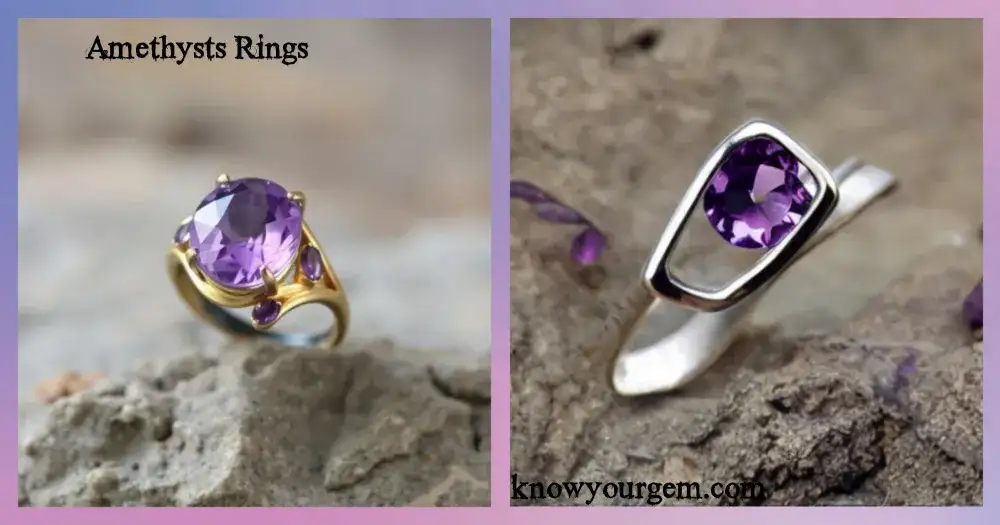
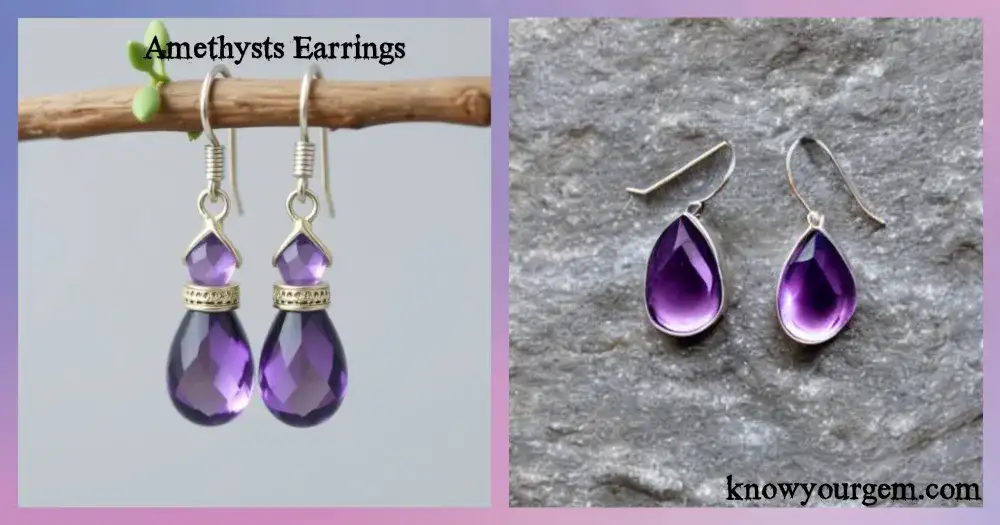
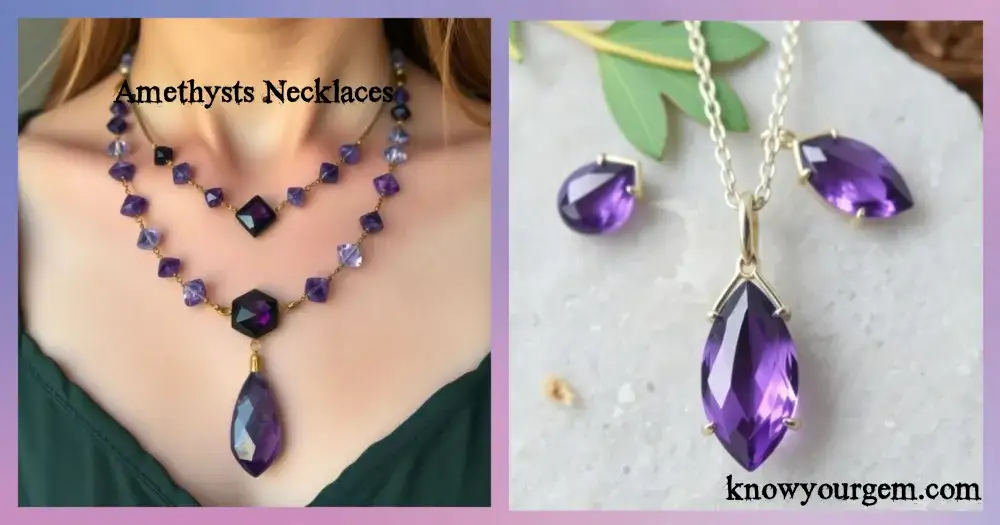
Purple Amethysts are most lovely choice for jewelry, including rings, earrings, pendants, and bracelets. Its vibrant color and durability make it suitable for both everyday wear and special occasions.
2. Home Décor:
Purple Amethysts geodes and clusters has been often used as decorative pieces in homes and offices. Not only do they add a touch of natural beauty, but they also boost up positive energy and balance.
3. Spiritual Practices:
Purple Amethysts have been widely used in meditation, Reiki healing, and other spiritual practices. Its calming energy helps to deepen meditation and boost up spiritual awareness.
How to Identify Genuine Purple Amethysts?
1. Visual Inspection:
Genuine amethyst usually exhibits a consistent color range from light lavender to deep violet. Look for natural inclusions, as synthetic stones are often flawless.
2. Clarity and Inclusions:
Natural amethyst can have minor inclusions or color zoning, which are signs of its authenticity.
3. Simple Tests:
Hardness Test: Amethyst has a hardness of 7, so it should not scratch easily.
UV Reaction: Natural amethyst can show a weak greenish fluorescence under UV light.
Caring for Purple Amethysts:
1. Cleaning:
Clean Purple Amethysts with mild soap and water, using a soft brush to sweep dirt. Avoid harsh chemicals or ultrasonic cleaners.
2. Storage:
Store amethyst separately from harder gemstones to protect scratches. Use a soft pouch or lined jewelry box.
3. Preventing Color Fading:
Avoid prolonged exposure to direct sunlight, as it may cause the color to fade over time.
Purple Amethysts in Modern Culture:
1. Jewelry Trends:
Purple Amethysts remains a popular choice in contemporary jewelry, often featured in minimalist and bohemian designs.
2. Birthstone Symbolism:
Purple Amethysts are the birthstone known for “February Gemstone”, symbolizing peace, courage, and stability.
3. Alternative Wellness Practices:
Purple Amethysts have been widely used in alternative wellness practices, such as crystal healing and energy work, for its calming and protective properties.
Conclusion:
Purple amethysts are a gemstone of timeless allure, combining stunning beauty attractive with profound spiritual significance. While you’re drawn to its rich history, its healing properties, or its vibrant color, amethyst is a gemstone that offers something for everyone.
From Old myths to modern-day jewelry trends, amethyst continues to captivate and inspire. Explore the magic of this legendary gemstone and explore how it can increase your life, both aesthetically and spiritually.
FAQS:
1. What Is Purple Amethysts?
Purple amethyst is a stunning, violet-colored variety of quartz (SiO₂) which has captivated people for centuries. It is known for its rich hues ranging from pale lavender to deep purple, which are caused by trace amounts of iron and exposure to natural radiation. Beyond its aesthetic appeal, amethyst has valued for its spiritual properties, including promoting calmness, enhancing clarity, and offering protection against negative energies. It is widely used in jewelry, home décor, and holistic healing practices.
2. What Gives Purple Amethysts their color?
The vibrant purple color of amethyst came from the presence of iron impurities within the quartz crystal. When the quartz is expressed to natural radiation from the surrounding environment, these iron traces undergo a transformation that produces the purple hue. The intensity of the color can vary based on the concentration of iron and the conditions during the crystal’s formation. Deep purple amethysts has been considered the most valuable and sought-after.
3. Where Is Purple Amethysts found?
Amethyst deposits are located worldwide, with major sources in Brazil, Uruguay, Zambia, and Madagascar. Brazilian amethysts are generally lighter with a reddish tint, whether Zambian amethysts are known for their deep purple hues and exceptional clarity. Other notable deposits exist in Russia, the United States (Arizona), and South Korea. Each region generates unique variations in color and crystal structure.
4. What Are the Metaphysical Properties of Purple Amethyst?
Purple amethyst has been believed to possess a range of metaphysical and healing properties. It is often used to:
Promote Calmness and Clarity: Amethyst is said to guide soothe the mind, decrease stress, and encourage clear thinking.
Protect Against Negative Energy: It is thought to shield the wearer from negative influences and psychic attacks.
Enhance Spiritual Awareness: Amethyst has been commonly used in meditation and spiritual practices to foster a deeper connection to the divine.
Improve Sleep Quality: Placing amethyst near the bed is believed to alleviate insomnia and encourage restful sleep.
5. Is Purple Amethyst a Birthstone?
Yes, purple amethyst is the traditional birthstone for February. It symbolizes peace, courage, and stability. As a birthstone, amethyst is believed to fetch balance and protection to those born in this month, while also increasing intuition and spiritual insight.
6. How Can You Tell If an Amethyst Is Real?
To identify genuine purple amethyst:
Examine the Color: Real amethysts shows a range of purples with natural zoning (variations in saturation), unlike synthetic stones that often have uniform color.
Check Clarity: Authentic amethyst can have minor inclusions but should be relatively clear and free from large flaws.
Perform a Hardness Test: Amethyst ranks 7 on the Mohs scale, meaning it may scratch glass but cannot be scratched by a fingernail or a copper coin.
UV Light Test: Real amethysts can exhibit a slight fluorescence under UV light.
7. What Is the Spiritual Meaning of Purple Amethyst?
Spiritually, purple amethyst symbolizes purity, protection, and wisdom. It can be considered a stone of transformation, encouraging inner peace and spiritual growth. Many believe it aids in overcoming addiction, fosters emotional balance, and helps discharge negative thoughts and habits.
8. What Is the Difference Between Amethyst and Other Purple Gemstones?
Amethyst differs from other purple gemstones in several ways:
Amethyst vs. Tanzanite: Amethyst is quartz with a hardness of 7, while tanzanite is softer (6-6.5) and displays more blue-violet hues.
Amethyst vs. Sapphire: Purple sapphires are corundum and more harder (9 on the Mohs scale) but much expensive.
Amethyst vs. Fluorite: Fluorite may appear purple but is much softer (4 on the Mohs scale) and less durable for jewelry.
9. How Do You Clean and Care for Purple Amethyst?
To keep your amethyst vibrant:
Cleaning: Use warm, soapy water and a soft brush to clean the stone gently. Keep away harsh chemicals or ultrasonic cleaners.
Storage: Store amethyst separately from harder stones to safe from scratches.
Avoid Sunlight: Prolonged exposure to direct sunlight may fade the purple color over time.
10. What Is the Value of Purple Amethyst?
While amethyst was once as valuable as sapphires and rubies, large discoveries in Brazil have made it more affordable. The value depends on color intensity, clarity, and origin. Deep, saturated purple with reddish undertones (considered as “Siberian” amethyst) is the most prized. Large, clear specimens also bring higher prices.
11. Can Purple Amethyst Fade Over Time?
Yes, exposure to intense sunlight or heat may cause amethyst to fade. To preserve its vibrant purple hue, keep away leaving your amethyst in direct sunlight for extended periods. keep it in a cool, shaded place when not being worn.
12. How Is Purple Amethyst Used in Jewelry?
Purple amethyst is a versatile gemstone used in multiple jewelry pieces, including rings, necklaces, bracelets, and earrings. Its durability (Mohs hardness of 7) makes it suitable for daily wear. Amethyst’s striking purple hue pairs beautifully with silver, white gold, and yellow gold settings.
13. What Chakra Is Purple Amethyst Associated With?
Purple amethyst has been linked to the crown chakra (Sahasrara) located at the top of the head. This chakra represents spiritual connection, enlightenment, and universal consciousness. Amethyst is believed to activate and equality this energy center, fostering a sense of peace and spiritual insight.
14. Are There Different Shades of Purple Amethyst?
Yes, amethyst came in different purple shades, from pale lavender to deep violet. The most valuable and sought-after amethysts exhibit a rich purple hue with reddish or blue undertones. Lighter amethysts are often called “Rose de France,” while darker stones are much desirable for fine jewelry.
Must Read:
Comment below my blog related Purple Amethysts If you have and questions I will try my best to answer it. Thanks.

Welcome to KnowYourGem.com! your ultimate destination for uncovering the fascinating world of gems and their secrets! I'm Kamil Hussain, a passionate blogger with a Master’s degree in Economics, dedicated to bringing you insightful, well researched content that blends the beauty of gemstones with the art of storytelling. With a keen analytical mind and a love for discovering hidden treasures, I created this platform to help you explore the brilliance, history, and value of every gem.

