

Introduction:
What is Taaffeite?
Taaffetie is one of the most fascinating discoveries in the world of minerals. It was named after Richard Taafi , a gemologist who found it from Dublin in 1945. An ancient times the stone was considered to be spinel, but after closer study, Taaffe realized it was something completely new. Thus this made taaffeite the first gemstone ever identified from a cut and polished stone rather than from its natural rough form. Explore more pink gemstones.
Why Rough Taaffeite is Unique and Rare?
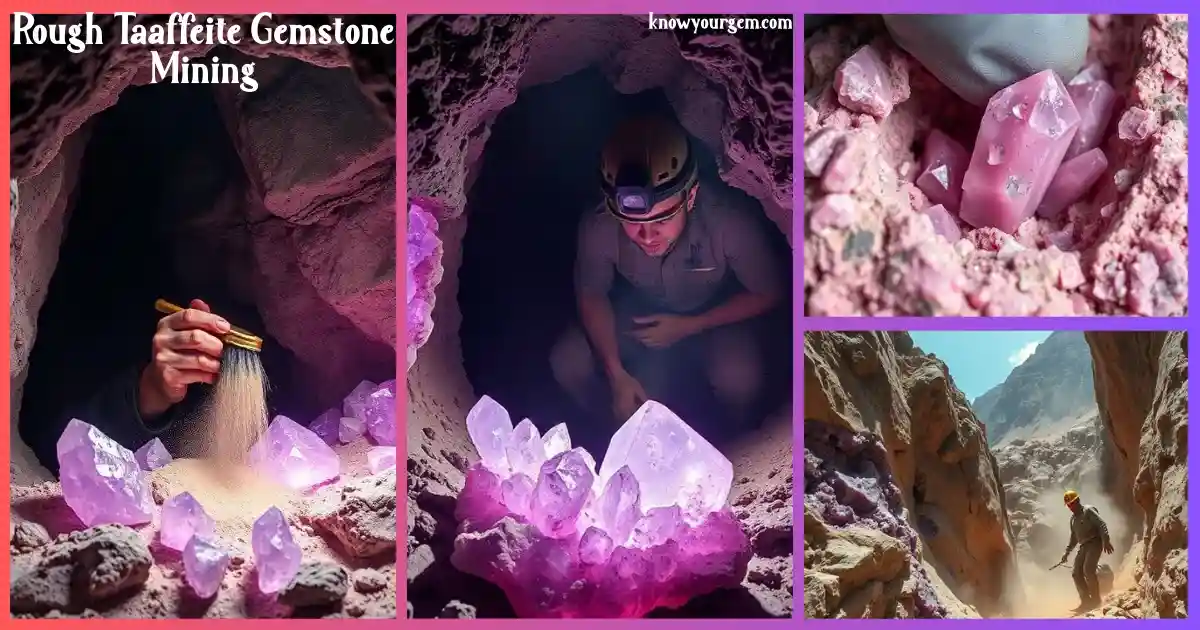
Rough taaffeite gemstones are considered as the rarest gemstones on the Earth. Unlike polished stones, rough taaffeite shows the gem in its pure, untouched state and offers a glimpse into the natural processes that shape it in millions of years ago. Its rarity came from the fact that deposits extremely limited, and even in places where it is found. So the the stone appears only in very small amounts.
Value and Appeal to Collectors?
Rough Taaffeite gemstones are highly desirable for collectors and investors. Although, their rarity, striking colors, and scientific importance make them valuable possession. As more people learn to appreciate gemstones in their natural form, where rough taaffeites gain recognition not only for their beauty but also for their investment potential, sometimes even rivaling value of their polished versions.
What is Rough Taaffeite?
Definition and Gemological Properties:
Taaffeite is very rare gemstone made from a mixture of earth’s metals like, beryllium, magnesium, and aluminum oxide. Although, its unique markup makes it one of the most valuable gemstones in the world. It ranks 8 and sometimes 8.5 on the mohs scale of hardness which tough enough for everyday jewelry.
How Rough Taaffeite differs from cut Taaffeite:
Uncut taaffeite shows features that polished stones often got hide. In its natural authentic, form, it generally appears as hexagonal crystals, although, perfect crystals are extremely rare. Rough stones reveal growth lines, crystal faces, and natural inclusions rough taaffeite highlights its natural color and raw beauty.
Color, Clarity, and Typical Inclusions:
Rough Taaffeite gemstones can be found in shades range from colorless to mauve, lavender, Pink, and violet. The deeper purples are the most valuable. Clarity varies widely on most rough pieces which contain visible inclusions often prove the stone’s authenticity and provide clues about its geological history.

Geological Origin & Sources:
Major mining Locations:
Taaffeite is found in only few places around the world. Sri Lanka is main historical source, it produces small amounts since the gem was first discovered. Whether Tanzania has become another important location, especially in the south. In China’s Yennan Province has become another important been found, tough in very small numbers. Since Myanmar (Burma) also produces taaffeite, usually discovered during spinel mining.
How Taaffeite Forms:
Taaffeite forms in high temperature environments where beryllium rich fluids mixture with the minerals containing magnesium and aluminum. Although, these very specific conditions have right temperature, pressure, and chemistry that make the gem extremely rare. It often grow alongside spinel, which explains why the two stones share similar physical traits and are sometimes confused.
Historical discovery and Rarity:
Richard Taaffe, has firstly discover this gemstone in 1945 and that discovery changed gemology. At the time, only few specimens existed worldwide, which make it incredibility rare. Even today , with better mining methods and more knowledge, Taaffeite is still far harder to find out than diamonds which cement its place as one of the rarest gemstones known in the world.
Value & pricing of rough Taaffeite gemstones:
Factors that determine Price:
Several things affect the price of rough taaffeite gemstones:
- Carat weight: Large stones are much more valuable, especially over two carats.
- Color: Rich lavender and pink shades are most valued after and command higher prices.
- Clarity: Whether inclusions are common in rough stone’s pieces that look clean to the eye worth more.
- Shape & crystal faces: Stones with intact crystal structure or appeal to shapes that often attract collectors and raise value.
Comparison with other rare Gemstones:
Taaffeite gets the special place among the world’s rarest gems. Whether blue diamonds are the most expensive per carat, quality. In fact, it ranks above nearly all gemstones except the finest diamonds alexandrites and grandidierites. Collectors often ask what is rarer than diamond and the answer is Taaffeites, because it is thousand time harder to find out.
Tips for Buying Rough Taaffeite
- Always buy from trusted dealers who can prove where the stone came from.
- Always ask for gemological certificates to confirm authenticity.
- Use magnification to check the stone’s cutting potential.
- Just consider faceting if you have access to cutters experienced with taaffeite.
- For the investment, focus on the larger, cleaner stones with strong color.
- Take your time true taaffeite is so rare that every purchase deserves careful thought.

Grading and identification:
Gemological tests:
To identify taaffeite gemologist use precise tests. Although the gem shows refractive index between 1.719 and 1.730, with a small birefringence of 0.004 to 0.009. This helps separate it from spinel, that has just one refractive rading. The gravity of this gemstone commonly in between 3.60 and 3.62.
Natural vs Synthetic / Treated Taaffeite:
Synthetic taaffeite is not commercially produced because its chemistry and formation are too comprehensive. Sometimes spinel or synthetic sapphire is wrongly sold as taaffeite. The major way to tell them apart is double refraction, taaffeite is doubly refractive, whether spinel is single refractive. Advanced spectroscopy can confirm taaffeite by its unique absorption spectrum. Treatments are extremely rare, since th gem is too scarce and valuable to risk of damaging through heating or other processes.
Certification & Lab Reports:
When you are about to buy taaffeite gemstone, it is must ask for certification from trusted labs like GIA, SSEF, or Giiblin this will better help you to pick an authentic stone . Although, these labs have the advanced tools required to confirm the gem’s identity and sometimes its origin. A proper lab report should include details like species, weight, measurements, color, clarity, and any treatments. For rare stones like taafeite, this documentation is essential for insurance and resale value.
Uses & Applications:
As a Collector’s Stone:
Today, taaffeite is majorly valued as a collector’s gem. Museums, universities, and serious collectors look for tough pieces to showcase one of the Earth’s rarest minerals. Although its meaning goes beyond money and it is symbolized with geological rarity, and natural wonder. Collectors often seek stones in vary colors or crystal shapes to build complete taaffeite collections.
For cutting into faceted Gems:
Skilled gem treasure rough taaffeite for making stunning faceted stones because the gem cutters are trusted to work with it. Its hardness enables brilliant cuts, but cutters often choose conservative shapes to keep as much weight as possible. Even small faceted taaffeite gems are more valuable as highlights in exclusive jewelry collections.
In investment, scientific, or Gem study collections:
For investors, rough taaffeite can more appeal than cut stones. Rough taaffeite gemstones avoid issues like quality and remain versatile, they can always be cut later if it is required. Although Scientists value rough taafeite for studying crystal growth and geological process, whether educators use it to show natural patterns. In all cases, rough taaffeite gemstones hold important as both a research tool and a rare investment asset.
Care & treatment:
How to store and care for rough Taaffeite gemstones?
To safe rough taaffeite gemstones you must need to store each stone separately in a soft pouch or divided boxes so they don’t touch harder gems like diamond or corundum. Even though taaffeite gemstones are quite tough enough, sharp impacts but can still cause cracks. It must to place taaffeite gemstones with a stable temperature and humidity.
Cleaning Tips:
Clean rough taaffeite gemstones gently with lukewarm water and mild soap. Use a soft brush to sweep dust and oil and it is must to avoid ultrasonic or steam cleaners from gemstones because they can scratches them .
Possible treatments and how to check:
Rough Taaffeite gemstones are almost never treated because they are so rare and naturally beautiful. Heat treatment could change their color but also risk cracking the stone. So, they are not common. When buy, these gemstones must ask the seller if the gems have been treated and request written proof that they are natural and untreated. So, reliable lab reports should clearly state whether any treatments are present.
Trending Market for 2025:
Demand for rare gemstones and collector interest:
The market for the world’s rarest gemstones have grown stronger as collectors see them as both prestigious and valuable investments. Although Taaffeite, in specific, has gained popularity among Asian collectors and investors who are looking for alternatives to traditional luxury items. Museums and institutions also compete for high quality specimens, that pushes prices even higher.
How generative AI and content trends are shaping searches:
Digital tools and online platforms have made gemstone knowledge more accessible. Although, many enthusiasts now search questions like “Is taaffeite rare? And learn about its exceptional status. Online communities share tips on identifying and valuing rough stones, that has expanded interest beyond professional jewelers. Thus, this wider awareness has not only raised prices but also improved authentication and reduced misrepresentation in the market.
Long term value potential, especially for tough stones.
Rage gemstones with clear certification and provenance have shown steady price growth over time. Taaffeite’s extreme scarcity, limited deposits, and few new discoveries point to strong long term value retention. Unlike diamonds, whose prices are heavily influenced by marketing, taaffeite’s worth comes directly from its true geological rarity. When continues to rise in emerging markets, demand for genuinely rare collectibles like taaffeite is expected to keep increasing.
Risks & Considerations:
Buying from unverified Sellers:
The wider risk of buying taaffeite is dealing with sellers who lack knowledge or honesty. Online marketplaces and auctions often list “rare” gems that turn out to be spinel, synthetic stones, or even fakes. Never buy taaffeite without proper verification, if the price looks too good to be true, it usually the stone is misidentified or fraudulent.
Risks of counterfeits / Synthetic Stones:
Alhtough synthetic taaffeite isn’t made commercially, dishonest sellers can try to pass off synthetic spine, corundum, or glass as taaffeite, because taaffeite looks similar to spinel, mistakes are common and sometimes even genuine sellers believe they have taaffeite when it is actually spinel which makes testing essential. Must confirm authenticity with gemological checks before buying.
How to verify authenticity before Purchase
Proper verification requires a professional gemologist. Always ask sellers for lab reports from trusted institutions before paying. If you are buying it from a person should have the lab tested stone because reputable sources always welcome this perspective. Whether online purchasing, must use escrow services that enable testing money is released. The cost of authentication is small compared to the value of Taaffeite and can save you from pricier mistakes.
How to use rough taaffeite gemstones in Jewelry:
Best cutting styles:
When cutting rough taaffeite gemstones cutter often use brilliant tor step cuts to maxmize sparkle whether seeking weight, because these stones showcase vary colors from vary vary angles (Pleochroism), orientation is very important. Although, Cushion cuts are famous for their mixture of vintage charm and modern brilliance. For engagement rings oval and emerald cuts highlight the color of gems and their durability.
Metal settings That Complement its color:
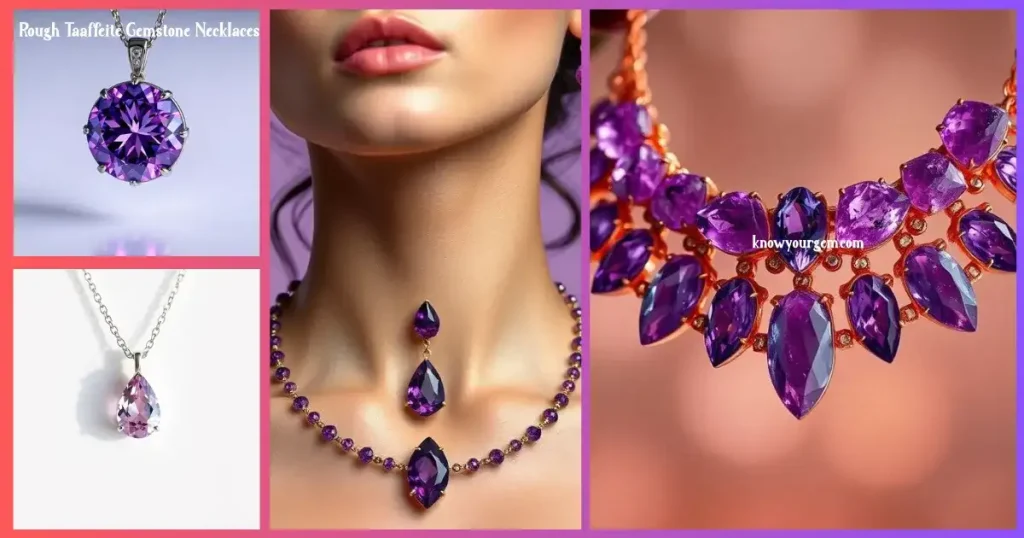
Taaffeite’s lavendar to pink shades look stunning in white metals. Platinum offers the most luxurious option, whether white gold provides a similar look at lower cost. Rose gold beautifully with Pink taaffeite, gives a romantic feel. Soo, yellow gold can suit deeper purple stones can overpower lighter ones.
Design Ideas like,Rings, Pendants, Earrings:
Solitaire settings let rough taaffeite gemstones shine as the centerpiece for rings. Three stone designs with diamonds create striking combinations. Pendants are an excellent for showcasing taaffeite, which catch light and draws attention. Engagement rings made with rough taaffeite gemstones are bold alternative to diamonds which are symbolized with uniqueness and rarity. Stud earrings are possible but challenging, since finding two matching rough taaffeite gemstones are rare and expensive.
Recap of why rough taaffeite is special:
Rough taaffeite gemstones are most rarest on the earth ever found because their unusual formation, striking beauty, and important place in gem history make them stand out. Due to few pieces exist, collectors see them as a treasure. While you value them for science, investment, or simply their look, taaffeite represent nature at their most extraordinary.
Key points to remember:
Rough taaffeite gemstones are much rare than diamonds and sapphires. Owning rough taaffeite gemstones offer both investment and collecting appeal. To ensure the authenticity, professional gem testing is essential. Prices are typically based on real scarcity, not marketing hype. Strong stones carefully helps to protect their value.
Practical advice for collectors:
Start with lab certified stones from trusted dealers to avoid risk. Building connections with gem experts who specialize in rare material and can better guide you to join opportunities of gem clubs or societies can expand your knowledge and network. If you plan to cut taaffeite, just with the high skilled craftsmen who know how to handle rare gems.
Final thought:
Having rough taaffeite gemstones can connect you with the Earth’s deep history, excitement of discovery, and the pride of holding something genuinely rare. In a world where “rare” often just sales pitch, Taaffeite proves that authentic natural treasures still exist for those who know where to look.
FAQS:
1. Is rough taaffeite a good investment?
Rough taaffeite gemstones can be strong long term investment because they are one of the rarest gems in the world. Their scarcity support their value, but selling can be difficult since just small group of collectors trade them. They are better for holding over time than for profit.
2. Can taaffeite be heat treated?
Heat treatment is technically possible almost never done. The gem is too far to get scratched and its natural colors are already valuable.
3. What is the typical price per carat for rough taaffeite in 2025?
The prices of these gems totally depend of their color, weight, clarity and size, under one carat taaffeite can cost you $1000 to 3000 and two to five carat of this stone will cost you $5000 to $15000v
4. How rare is taaffeite compared to diamond or sapphire?
Rough taaffeite gemstones are more rare than both diamonds and sapphire. Although, millions of carats of diamond and sapphire are mind every year, but only few hundred or few thousand carats of taaffeite have ever been found in history. Finding even one carat rough taaffeite gemstones quality in a year is extraordinary.
5. Why is taaffeite so expensive?
Rough Taaffeite gemstones are much expensive because they are the rarest gemstones ever found.
6. Where is taaffeite found?
Mostly Rough Taaffeite gemstones come from Sri Lanka and Tanzania, whether with small deposits are found in China and Myanmar.

Welcome to KnowYourGem.com! your ultimate destination for uncovering the fascinating world of gems and their secrets! I'm Kamil Hussain, a passionate blogger with a Master’s degree in Economics, dedicated to bringing you insightful, well researched content that blends the beauty of gemstones with the art of storytelling. With a keen analytical mind and a love for discovering hidden treasures, I created this platform to help you explore the brilliance, history, and value of every gem.
