

Overview:
Hierarchies have been made with jade gemstone, state Chinese emperors exalting it above gold. It was etched into face masks by the Olmec, Maya and Aztec. Maori fashioned it into pounamu, and it’s still handed down by many families as taonga, treasures that are part of a story. Few stones have journeyed so far.
There’s a reason people still desire it, and it’s not hard to understand. It’s attractive, it has a comfortable grip, and it carries a long history of symbolism.
This guide covers both sides and keeps them apart. Facts are stated as facts and beliefs are called beliefs. If you came to learn what jade is, how to avoid fakes and how to look after it, that’s all here. If you came for the symbolism, that’s here too.
What Is Jade?
It’s two minerals, not one: jadeite and nephrite. Plenty of sellers never say which you’re getting, and the price gap between them is huge.
Jadeite is the rare one. It’s brighter and glassier, with more saturated color, and the very best pieces sell for serious money. Nephrite is common. It’s a little softer on paper, but try breaking it. The fibers inside interlock so tightly that people have carved it into blades and tools for thousands of years.
| Rarity | Rarer | More common |
| Mohs hardness | 6.5–7 | 6–6.5 |
| Look | Bright color, glassy shine | Smooth, often creamy or softer in tone |
| Specific gravity | About 3.30–3.38 | About 2.90–3.03 |
| Best known for | High-value jewelry | Carving, bangles, beads, tough everyday pieces |
Hardness is a measurement of scratch resistance. Toughness is a measurement of breakage resistance. Now jade, especially nephrite, excels at the second.
It falls mid-point on the Mohs scale, well below diamond and sapphire. Check out the guide to the hardest gemstones to see how it compares.
Where does it come from?
Most of the best quality jadeite comes from Myanmar (Burma). The most translucent emerald green stones, known as “Imperial Jade gemstone,” are considered to be the finest of jadeite in the world. The best nephrite is supplied by China, Canada, New Zealand, Russia, and other localities.
What Has Jade Meant to Different Cultures?
It is jade that has been heralded as the radiance of virtue, splendor and long life in China for 5,000 years. During the Spring and Autumn Period, philosophers and writers used jade gemstone to symbolize virtue, integrity and morality. These things are listed differently in different sources, so if you mention one, state where you got it from.
Some Chinese nobles were buried in suits of jade plaques sewn together with thread, on the belief that the stone would protect the body. It didn’t, of course. But what we do learn is how willing they are that the jade should symbolise permanence.
In Mesoamerica it was used by the Olmec, Maya and Aztec civilizations to create masks, ceremonial objects and jewelry. To many, it was more valuable than gold and had associations with water, life and the sacred.
The Maori call nephrite pounamu, or greenstone. A piece is rarely just an ornament. It’s often a gift between generations, and it carries the history of whoever wore it before.
All of these are separate traditions with their own beliefs. They deserve respect, but they aren’t scientific claims.
What Do Jade Colors Mean?
Green gets the attention, but jade comes in many colors, and each has associations. Origin As mentioned above, their origin is both the cultural tradition and the modern crystal practice, and sources don’t always agree.
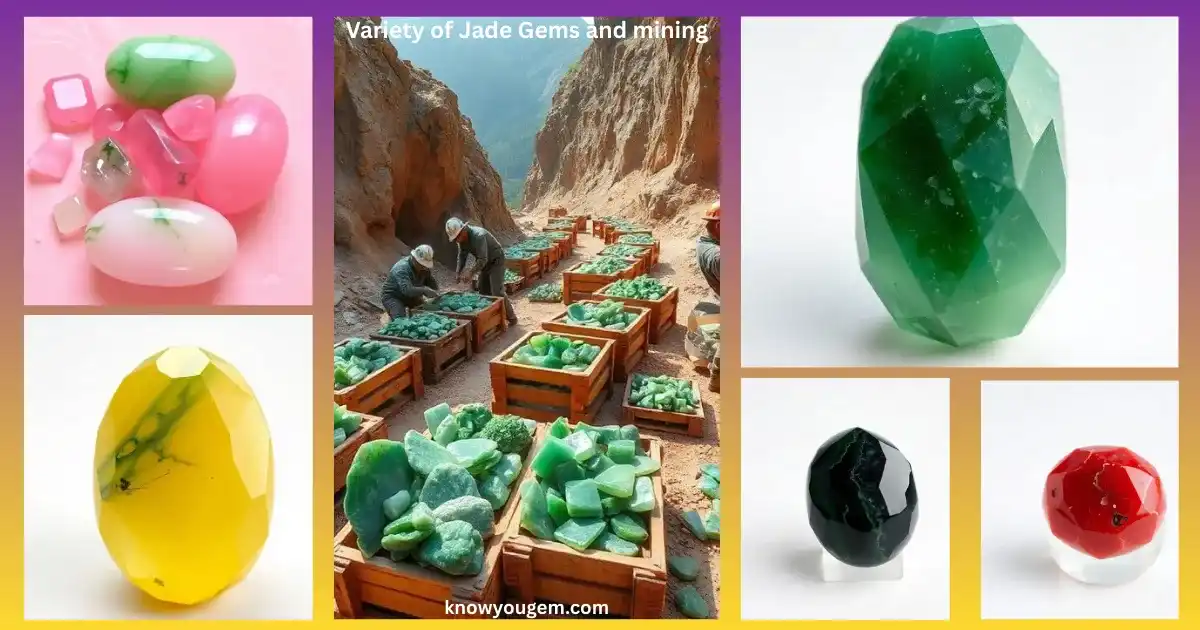
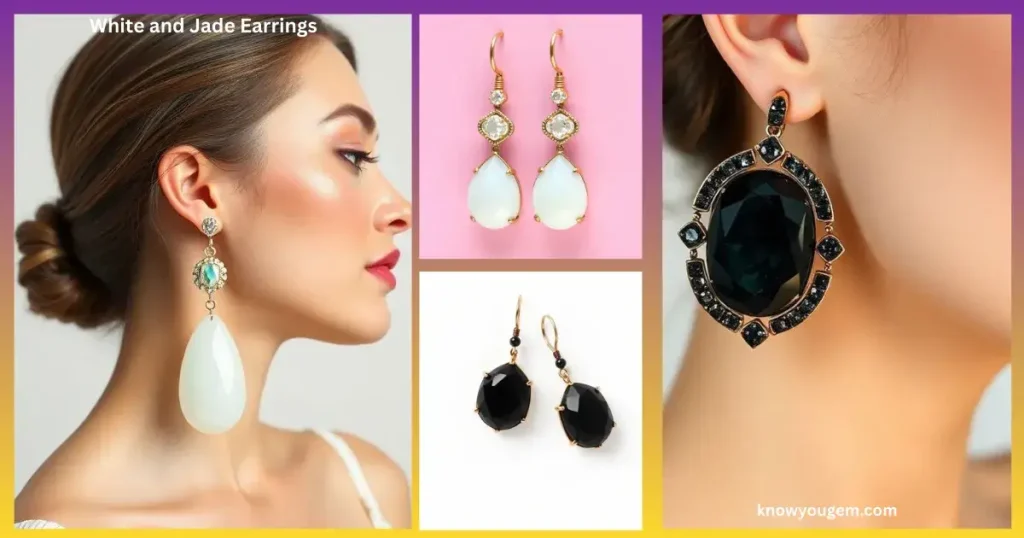
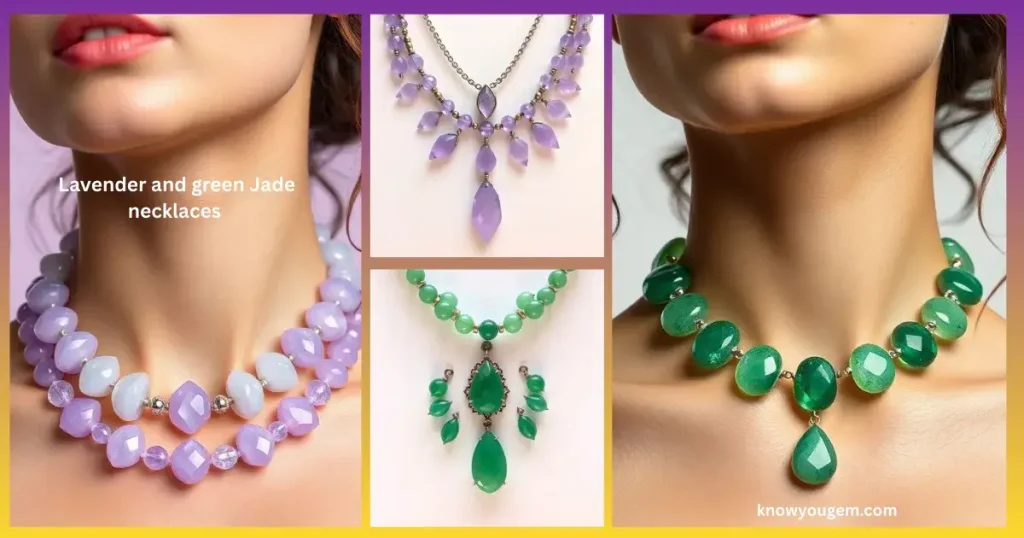
Green is the oldest and most traded of all and is associated with growing, rebirth, and heart white symbolizes purity and clarity and is often used for meditation. Pink goes with love and compassion. Lavender, which really does occur in jadeite, is linked to calm. Black is the protective, grounding one. Yellow is joy and optimism, and red is vitality.
Put the definitions out of your mind for the moment, and ask yourself which one you really would wear. A lucky green stone that stays in a drawer because it clashes with everything you own isn’t doing anyone much good.
What Are the Reported Benefits of Jade?
One of the longest benefits lists of them all, peruse the benefits yourself, before we get to the caveat: they are cultural beliefs and holistic practices, not proven medical remedies, and none of them replace a doctor.
The one people mention first is calm. Jade gemstone is known as a settling stone, and practitioners link it to letting go of resentment and forgiving yourself and others. There’s a plain way to see that. Something smooth to touch when you’re tense can help, and that’s down to the habit, not the mineral.
Luck is the second. In many Asian traditions jade is simply the lucky stone, tied to prosperity and good openings in business. Shop owners keep figurines near the till, and plenty of people wear a piece when they start something new.
Then there’s spiritual growth: the heart chakra, compassion, closeness with other people. Meditation with jade is said to help with settling the mind and some people use it for intuition and recalling dreams.
Jade gemstone also is linked to strength and prosperity, and it is believed that the former Emperors drank from jade cups in a bid to stay young. Some also see a link to the kidneys, heart, and circulation. Practitioners describe these as energetic associations, and science doesn’t support them as treatments. If you have a health concern, see a professional.
The latest craze is the jade roller. It’s used for facial massage, and they claim it de-puffs your face for a period of time. Any possible temporary benefit is probably due to the massage action and the cold surface, not the stone.

How Should You Wear Jade?
You don’t need to believe in any of the traditions to enjoy jade jewelry. For those who do, the usual matching goes like this. Pendants sit near the heart, so they suit anyone wearing jade for emotional balance.
Earrings sit near the face and are linked to mental clarity. Rings go on different fingers depending on the intention. Bangles and beaded bracelets are the everyday classics, and white jade beads are popular for their “purifying” associations.
The price range is enormous. Nephrite can be quite affordable, and fine jadeite can cost a fortune. Tradition says a jade’s benefits don’t depend on what you paid, and a genuine nephrite bead can mean as much to its owner as a costly jadeite one. Perhaps so. You still want the price to reflect the value of the stone when you buy.
First determine the purpose of the item: style, daily wear, offering, rite. Once you’ve figured that out, pick the form and decide on a budget and choose nephrite or jadeite. Get the stone’s identity and treatment in writing before you pay. Test the clasp, cord or setting also, for a fine stone on a poor fastening is lost.
How Is Jade Used in Feng Shui?
The healing power of jade. According to feng shui principles, jade is a stone of wealth, health, and protection, and it is very common in both homes and offices. These are common Feng Shui concepts, not scientifically proven effects.
The most well known spot is the southeast corner of the house or office where you would put your jades as a figurine or a carved jade Dragon or jade Money Tree. The color normally is green as it signifies growth. Some people put jade near the entrance instead, to invite abundance and guard against money trouble.
The east side of the home is linked to health and family. A jade plant or carved ornament on location is dedicated to promoting health and harmony for those in the home.
According to Feng Shui, having jade at door and window will protect the home and purify the energy. Giving jade to someone you care about is a traditional way of wishing them safety.
Be careful with the word “plant”. A jade plant is a living succulent, not the gemstone. Many people use both, but don’t pay a stone price for a plant.
How Can You Tell Real Jade from Fake?
This is where people lose money. A lot of what’s sold as jade isn’t jadeite or nephrite at all.
Begin with the names. “New jade”, “Korean jade” and “Indian jade” are often other green stones. Other common offerings which are often called new jade include aventurine, serpentine, and dyed quartz, ask what it is if the seller calls it by one of those names.
Then ask about the type, because the trade sorts jadeite into three categories.
- A: Natural, not treated in any way, other than polishing and waxing. This is what the majority of purchasers are looking for.
- B Type: Bleached and filled with polymer to make it more attractive. Might look alright initially but the filler can disintegrate.
- Type C: Dyed for the purpose of enhancing or altering the color. Dye may fade.
“A” should not be the same price as “B” or “C”. If the seller won’t tell you which type you’ll be getting, presume it is not the one you’d prefer to receive.
You’ll learn about home tests: real jade feels cool then warms slowly, feels heavy for its size, and when two pieces are tapped against each other, produces a clear sound, not a dull thud.
(A typical stone may have some natural variations in color and tiny internal features, but if there’s a perfect, uniform color throughout, or the surface makes a loud, unnatural green sound, it may be treated or a fake.)
The problem is that glass and several other stones also pass many of these tests, and tapping breaks pieces. As a test, use as a warning light, not as proof. The only way to be certain is to send the stone to a gem lab.
Price tells you something as well. Real jade has value, so a very cheap “jade” bangle is probably something else. A low price doesn’t prove a fake, but it’s reason enough to ask questions.
For anything costly, purchase a report from an established gemological lab such as GIA. A good one will simply confirm that the stone is jadeite or nephrite and disclose if it is treated and if so, how. A few of them will also provide a little extra information based on report type.
It does not guarantee the stone is ethically sourced; if that concerns you ask the seller for their knowledge on it and purchase from someone with a straightforward return policy and verify the report number on the laboratory’s website
How Do You Care for Jade?
Jade gemstone can take the rigors of daily wear. Especially nephrite, but it still needs a little common sense.
Handwash it in warm water and mild soap with a gentle brush for carvings. Rinse in water and dry with a lint-free cloth. Avoid steam and ultrasonic cleaning, as these will damage the treated stones (including Type B jadeite). Stay away from bleach, acid, and other cleaning chemicals.
Wear your jewelry after applying perfume, makeup, and hair products, and wipe to remove residues so build-up doesn’t occur. Take off jewelry when swimming in a chlorinated pool. But do remember: hard doesn’t necessarily mean indestructible – an accidental hard blow can chip or fracture it.
Some also clean jade with moonlight, incense or sage smoke, or on a selenite plate, and others simply bury it in the soil for a short time – which puts it at risk of being lost or damaged. None of this is proven to do anything to the stone. Do it if it means something to you, but a treated piece shouldn’t sit in strong sun for the sake of a ceremony.
What Are the Common Jade Myths?
Jade for eternal life Immortality. Nobles in ancient China were buried in jade objects and suits because it was believed that it held magical powers. The fixation of the stone was directly linked to their longevity.
Warning colors. Some people say jade changes color to warn of danger. No. Whether you wear it or it’s rubbed with body oils or residue, skin oils, or how you wear it can alter the look, and treated stones may change once the treatment breaks down. If you read a meaning into that, it’s a personal tradition, not a property of the stone.
Bad luck if you buy it yourself. Some traditions say jade should be gifted or inherited. That’s custom, not fact. An item you purchase for yourself is just as authentic as one received as a gift. The important thing is understanding what you have bought.
Cold means real. Plenty of stones and glass feel cool too. Temperature proves nothing.
Final Thoughts: Is Jade Right for You?
Jade has lasted thousands of years for good reasons. It’s beautiful, it’s tough, and it means something to many cultures.
Wear it for style, for tradition or for a bit of calm. The buying rules stay the same either way. Find out whether it’s jadeite or nephrite. Ask whether it’s treated, and get the answer in writing. For anything expensive, get a lab report, and look after it gently.
The beliefs around jade, from emotional balance to luck and protection, are personal and cultural. They aren’t medical treatments. You can respect the tradition and still buy carefully.
Note: The health benefits listed here are according to public perceptions, popular culture and holistic practices. They are not scientifically supported and should not be substituted for your doctor’s treatment. Consult your medical doctor to help with health problem.
Sources:
Testing and identification done at GIA for jade (all jadeite and nephrite types and treatment categories). Culture and history presented based on museum and academic material for Chinese, Mesoamerican, and Maori sources of jade.
FAQS:
1. Is jade a gemstone?
Yes. “Jade” refers to two minerals, jadeite and nephrite, both widely used for jewelry, carvings and ornaments.
2. What is special about jade?
It is durable (hardness), always beautiful and has a long culture, many cultures have regarded it as a symbol of virtue, wealth, and a protective treasure.
3. What is the difference between jadeite and nephrite?
Jadeite is more scarce than nephrite, slightly harder and more intense in color. Nephrite is more common and softer with a smoother, more opaque, “milky” appearance.
4. How can I tell if jade is real?
Home tests can raise a warning but can’t confirm a stone. Ask for written disclosure of what it is and whether it’s treated, and get a lab report for expensive pieces.
5. What are Type A, B and C jade?
Type A is natural apart from polishing and waxing. Type B is bleached and polymer-filled. Type C is dyed.
6. Does jade have healing properties?
Traditional practices link jade with calm, balance and wellbeing. Science doesn’t support these as medical treatments.
7. What does jade symbolize?
It depends on the culture and the color. In China, it’s tied to virtue, beauty, and long life. Greenstone the ancestral treasure of the greenstone is called pounamu in Maori. Green jade is traditionally.
8. Who should wear green jade?
For whatever reason, anyone who likes it. It’s traditionally associated with growth, balance, and prosperity but all of those are just cultural beliefs.
9. How do I clean jade?
Do not use ultrasonic or steam cleaners, hard chemicals or strong sunlight, instead: Use slightly warm water with gentle soap and a soft cleaning cloth.
10. Can jade lose its color?
Natural jade is normally solid. Dyed or polymer treated material can change or fade with exposure to chemicals, heat and time.
GIA is the most trusted lab can verify your gem’s authenticity, ethical origin, grading, and refractive index, so collectors are advised to check their gem with GIA, before buying it.

Welcome to KnowYourGem.com! your ultimate destination for uncovering the fascinating world of gems and their secrets! I'm Kamil Hussain, a passionate blogger with a Master’s degree in Economics, dedicated to bringing you insightful, well researched content that blends the beauty of gemstones with the art of storytelling. With a keen analytical mind and a love for discovering hidden treasures, I created this platform to help you explore the brilliance, history, and value of every gem.


[…] that can be cut and polished to resemble aventurine but are actually commonly and widely called jade for selling purposes. Buying genuine aventurine from a real supplier and crystal dealers will be […]